
Welcome to the
Hackit Design Hub
Neuroinclusive Spaces. Independent Living. Future-proof your home with real support
Your space should work for you, not against you. Whether you are managing a disability, neurodivergence, chronic illness or sensory needs, we help you adapt and improve your space so you can live independently, safely and comfortably. From accessible design to home organisation, we are here to make it happen.
Inclusive design that starts with you
Every home is different. Every person is different. That is why we do not use a checklist approach. We listen to you, understand your needs and design solutions that fit your life. Our team combines interior design expertise with lived experience of disability and neurodivergence, so we understand what works.
We are evidence based, trauma informed and person centred. We use research, building regulations and accessibility standards to create spaces that are not just accessible, but beautiful and healing. And because we are a social enterprise, we use a pay it forward model so we can help people on lower incomes access NeuroInclusive Interior Design too.
Your journey
Where are you on the journey?
Select the stage that feels closest to where you are right now. There is no wrong answer.
How can we help you?
I am struggling but I do not know where to start
Start small. We will help you find the first safe step.
Why this matters
Your home should support your health, not work against it
For many disabled, neurodivergent and chronically ill people, home is where the biggest barriers exist. Poor lighting increases falls. Noise disrupts sleep and concentration. Cluttered, poorly planned layouts reduce independence and increase anxiety.
Adapting your home is not a luxury. It is a practical step that protects your health, supports your independence and improves your quality of life.
9%
of homes in England have basic accessibility features
1 in 5
disabled adults say their home makes their condition worse
£2.3bn
falls cost the NHS annually, many preventable through better design
£26k
saved per person per year when adaptations reduce residential care needs
The return on investment in NeuroInclusive Interior Design
Buildings that do not work for the people who use them cost organisations money. Complaints, void periods, staff absence, accidents, tenant turnover and failure to meet statutory duties all carry financial and reputational risk.
Investing in NeuroInclusive Interior Design is not just the right thing to do. It delivers measurable returns through reduced complaints, lower maintenance costs, improved tenant satisfaction, fewer accidents and compliance with the Equality Act 2010 and Decent Homes Standard.
44%
of private sector dwellings in South East London fail decency standards
£1.4bn
poor housing costs the NHS in annual treatment costs
61%
higher cognitive function scores in buildings with better ventilation and lower VOCs
15%
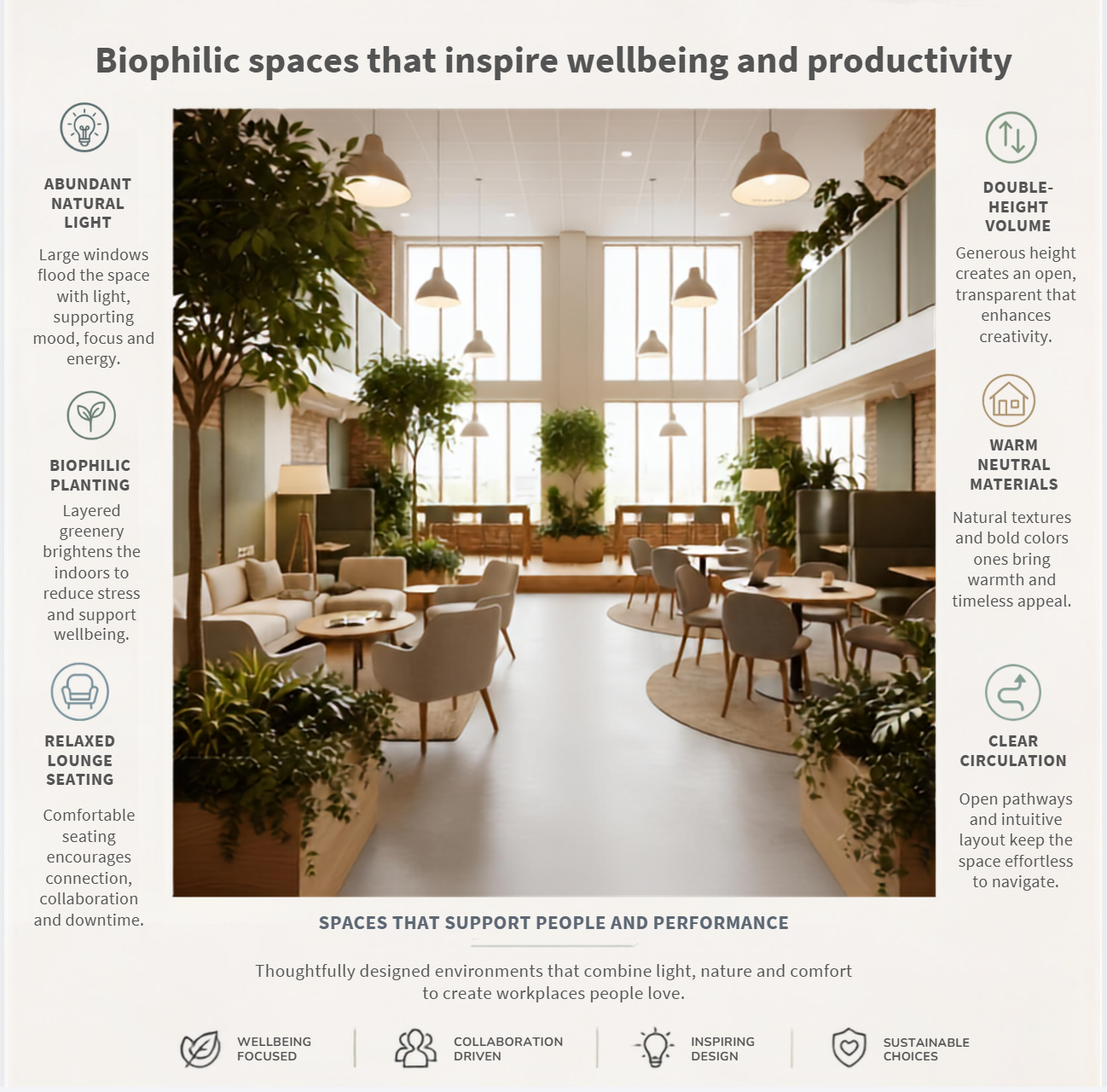
improvement in staff productivity in well-designed, biophilic workspaces
Sources, Centre for Ageing Better, English Housing Survey, Harvard T.H. Chan School of Public Health, World Green Building Council
How we help
Assessment and Planning
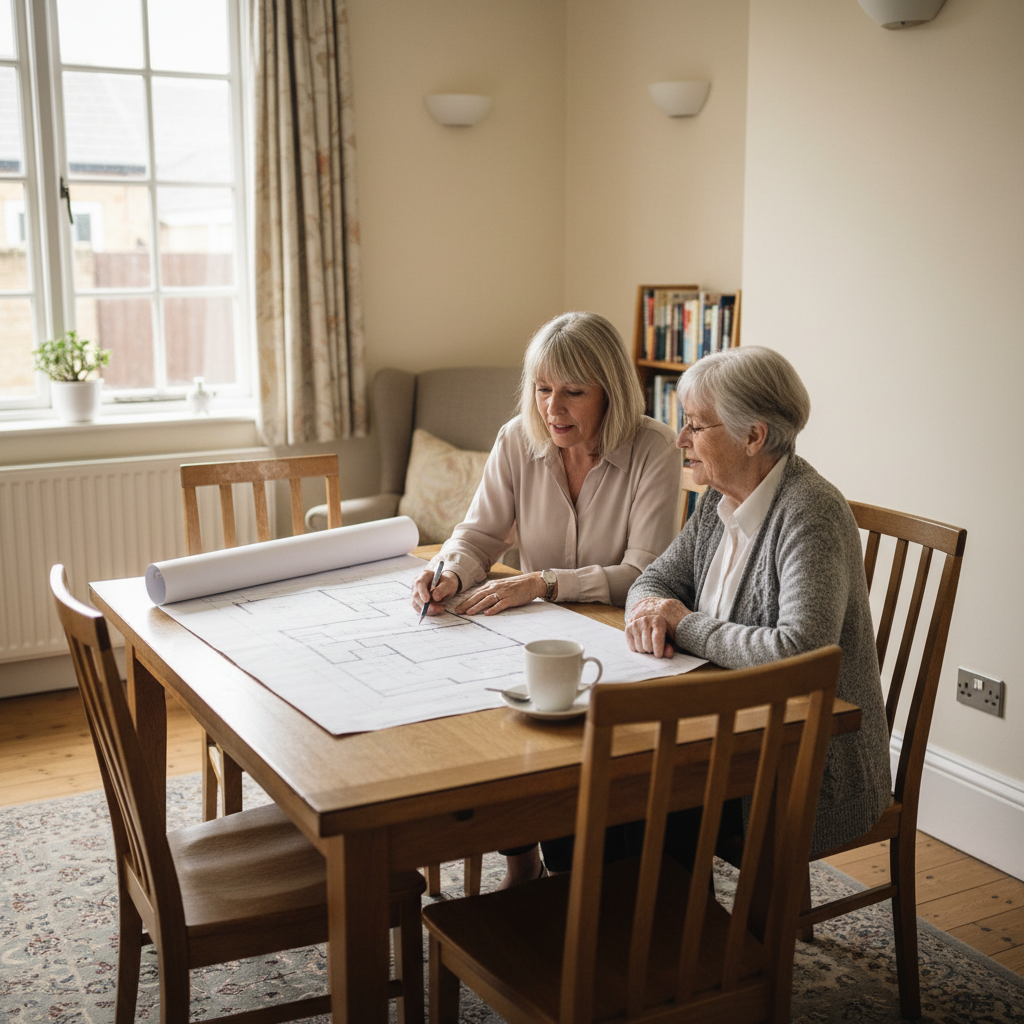
We assess your space and your needs, then create a tailored plan for improvements. We are Trusted Assessors, so we can help you access grants like the Disabled Facilities Grant.
Start your assessment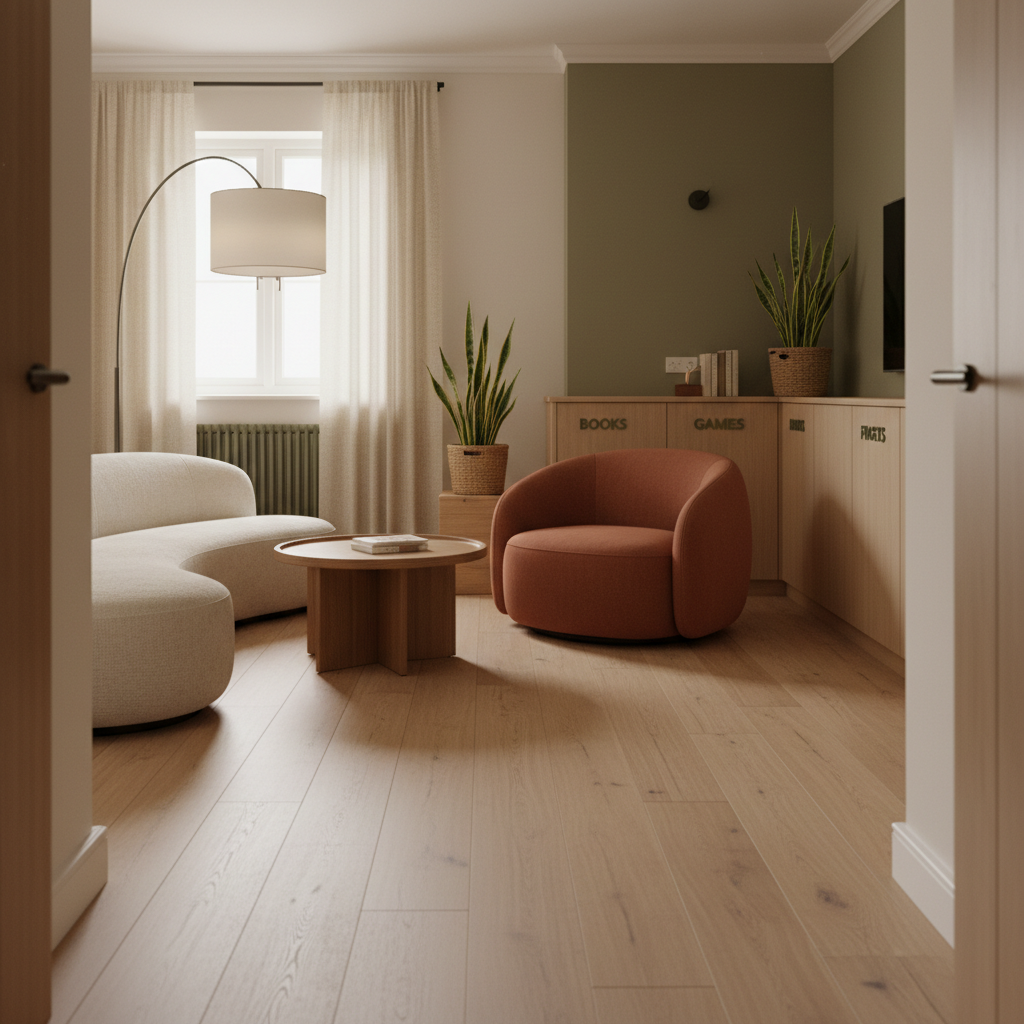
Interior Design and Adaptation
From accessible layouts to sensory friendly lighting, we design and deliver spaces that work for disabled and neurodivergent people. We handle the whole project from concept to installation.
Book a consultation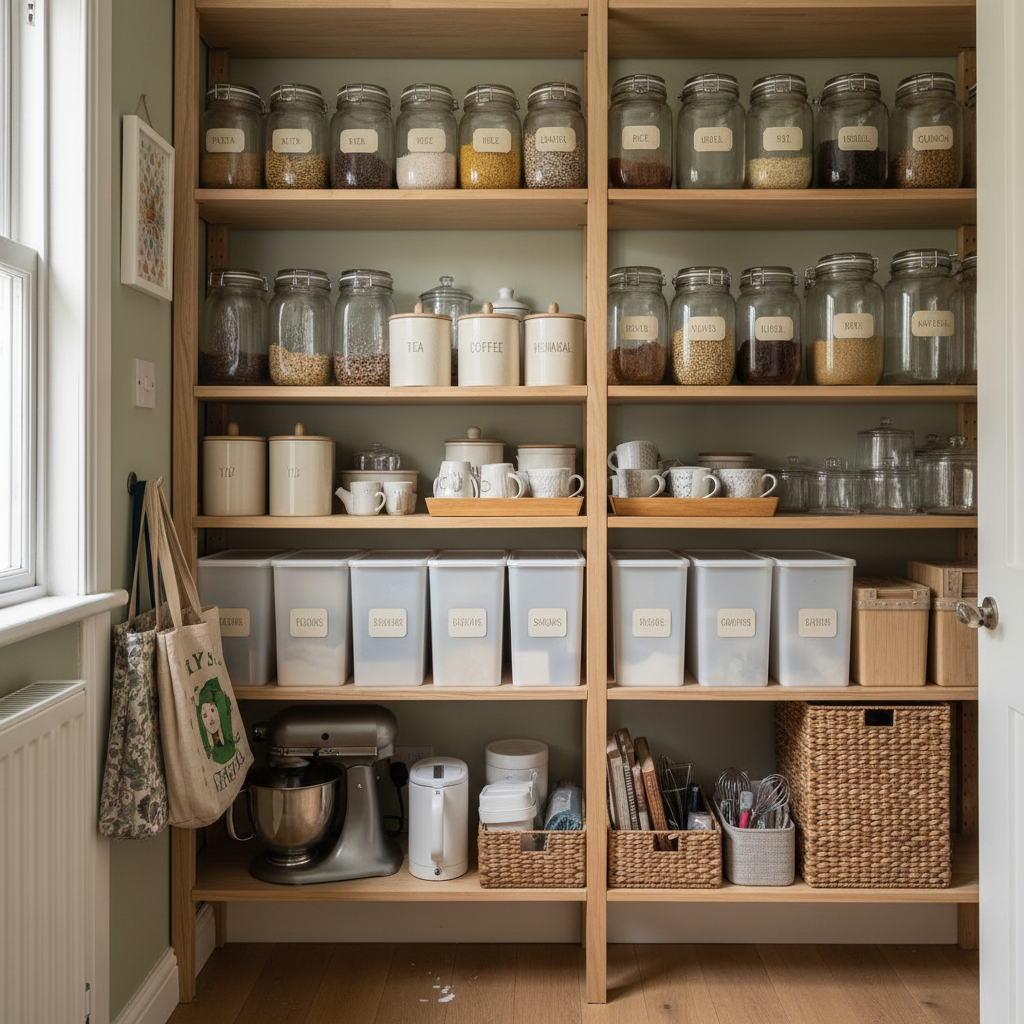
Home Organisation
Struggling to find things? Overwhelmed by clutter? We help you organise your space so it is functional, calm and easy to navigate.
Book a session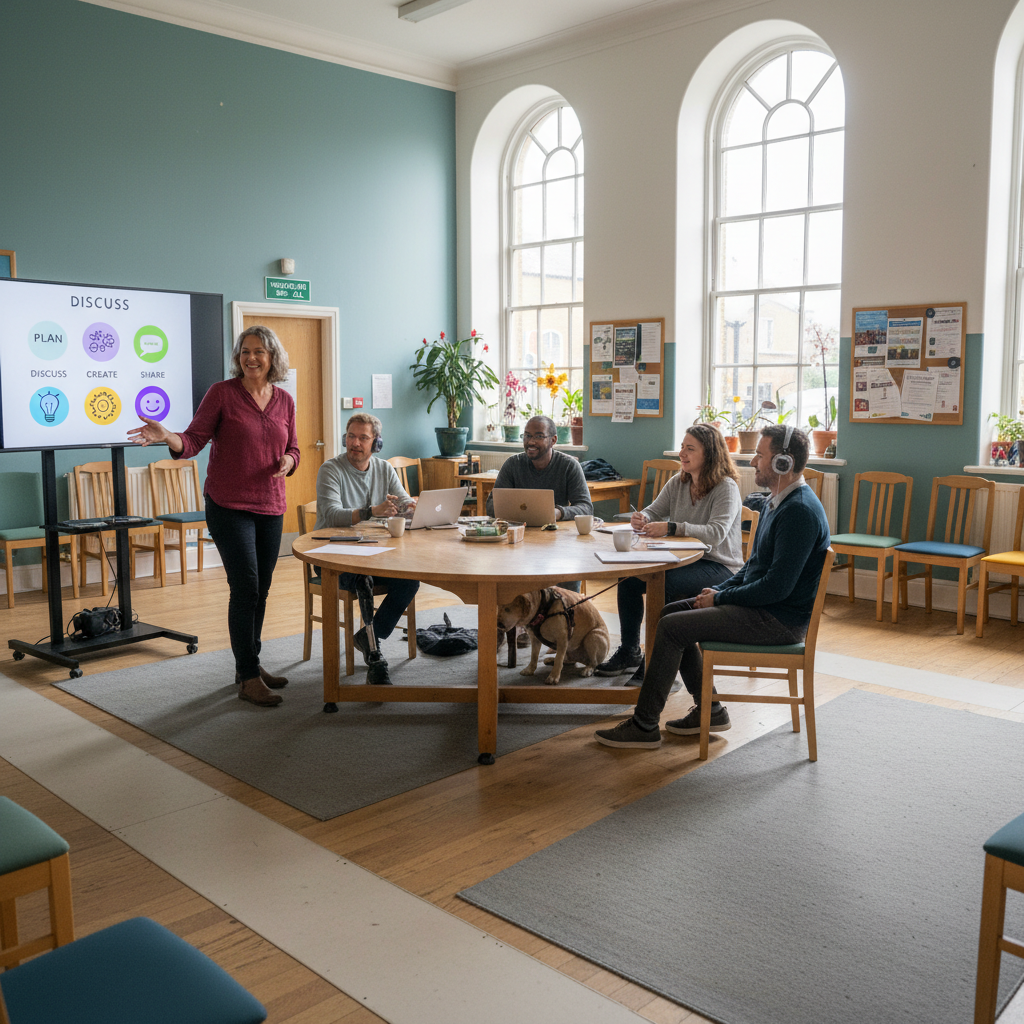
Training and Education
We train professionals, organisations and communities on inclusive design, sensory smart spaces and accessibility. CPD accredited courses available.
View our coursesWe support
Individuals and Families
You are managing a disability, neurodivergence, chronic illness or sensory needs and want your home to support your independence and wellbeing.
Organisations and Services
You are a council, housing association, school, NHS trust or social enterprise and need to make your spaces accessible and inclusive for the people you serve.
Professionals and Partners
You are an architect, surveyor, occupational therapist or contractor and want to work with a team that understands NeuroInclusive Interior Design.
Why we are different
Trusted Assessor accreditation, formal DFG assessment qualification
Lived experience, our team includes disabled and neurodivergent designers
Evidence based, we use research, building regulations and accessibility standards
Social impact, we use a pay it forward model to help people on lower incomes
Trust and safety
Your home, your pace, your people
Emotionally safe and inclusive
We listen first. Clear plans and one point of contact, because having people in your home is a big deal.
Vetted and safeguarded
Every provider passes our vetting process: insurance checks, credentials review and safeguarding commitments before they appear on the hub.
Evidence-based
Our guidance draws on occupational therapy, sensory design research and lived experience, not guesswork.