
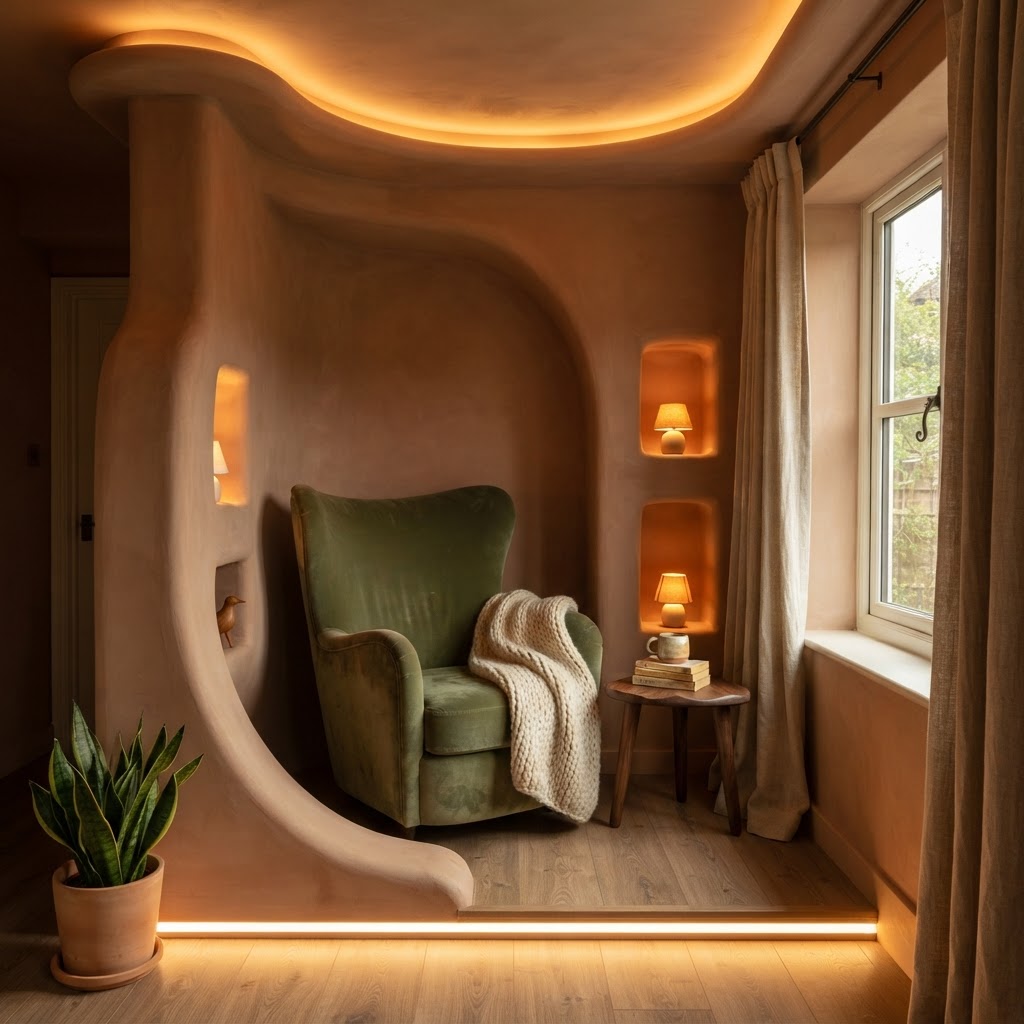
Residential
A home that supports you
NeuroInclusive Interior Design for your home. We listen to you, assess your space and design practical changes that support your independence and wellbeing.
Start with what matters to you
Whether you are managing a disability, neurodivergence, chronic illness or sensory needs, we start with how you live in your space. You can do as much or as little as you like, from a single room to your whole home.
Trust and safetyPrivacy PolicyHow your data is usedSafeguarding and complaints
How we help
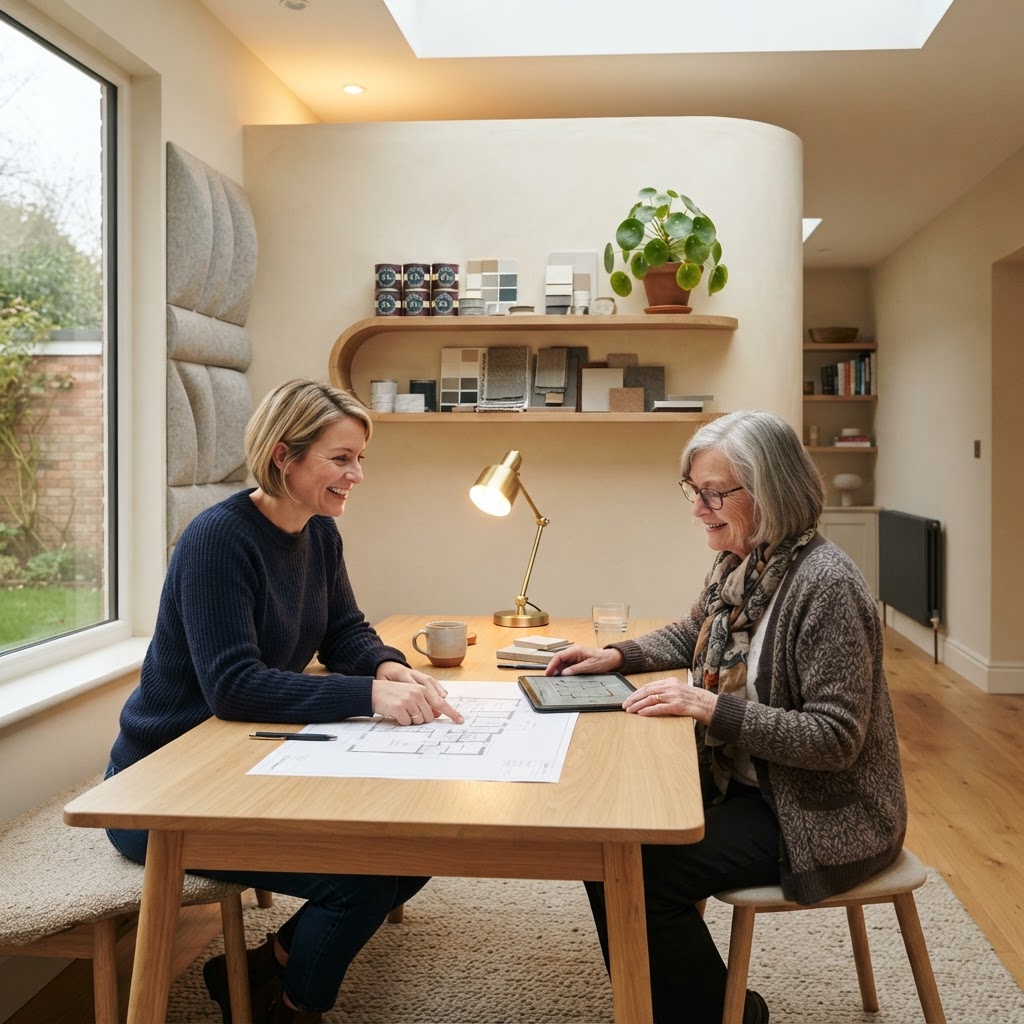
Assessment and Planning
We assess your space and your needs, then create a tailored plan for improvements. We are Trusted Assessors, so we can help you access grants like the Disabled Facilities Grant.
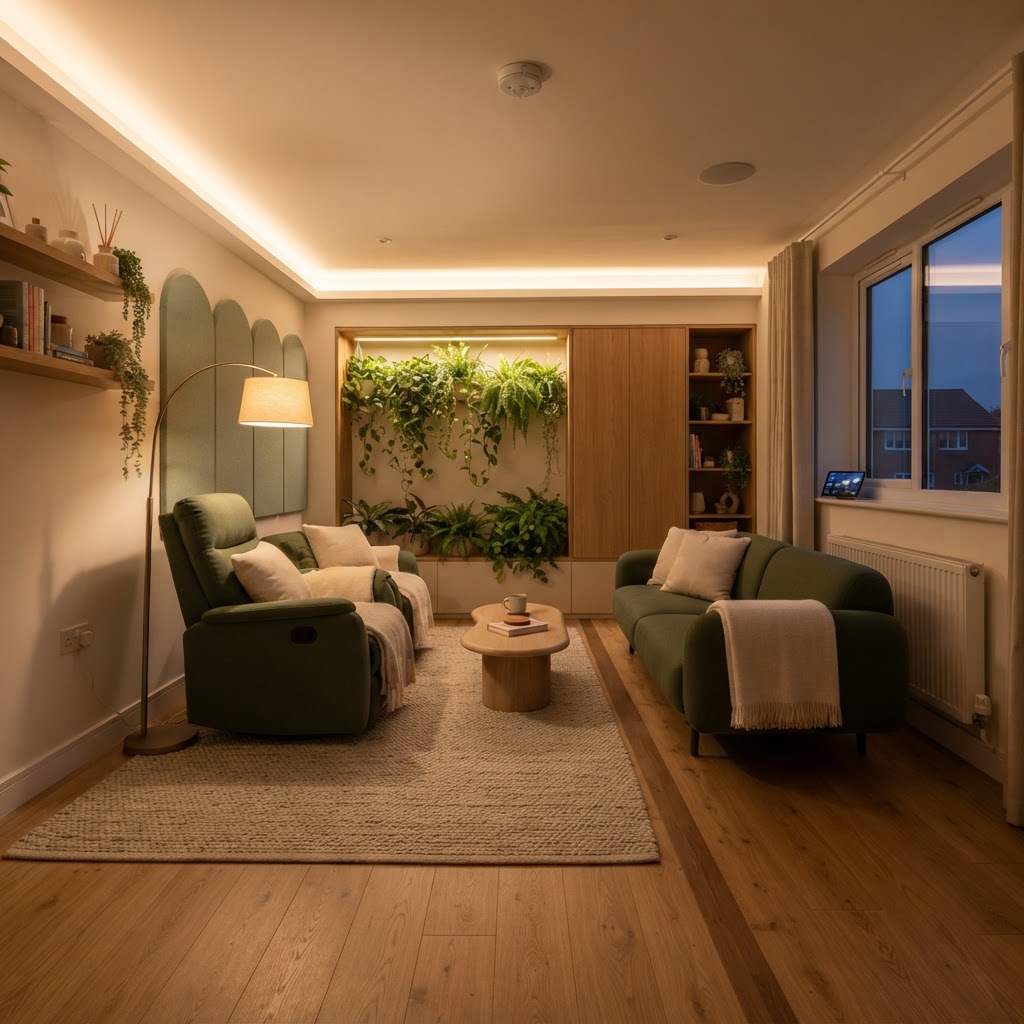
Interior Design and Adaptation
From accessible layouts to sensory friendly lighting, we design and deliver spaces that work for disabled and neurodivergent people. We handle the whole project from concept to installation.
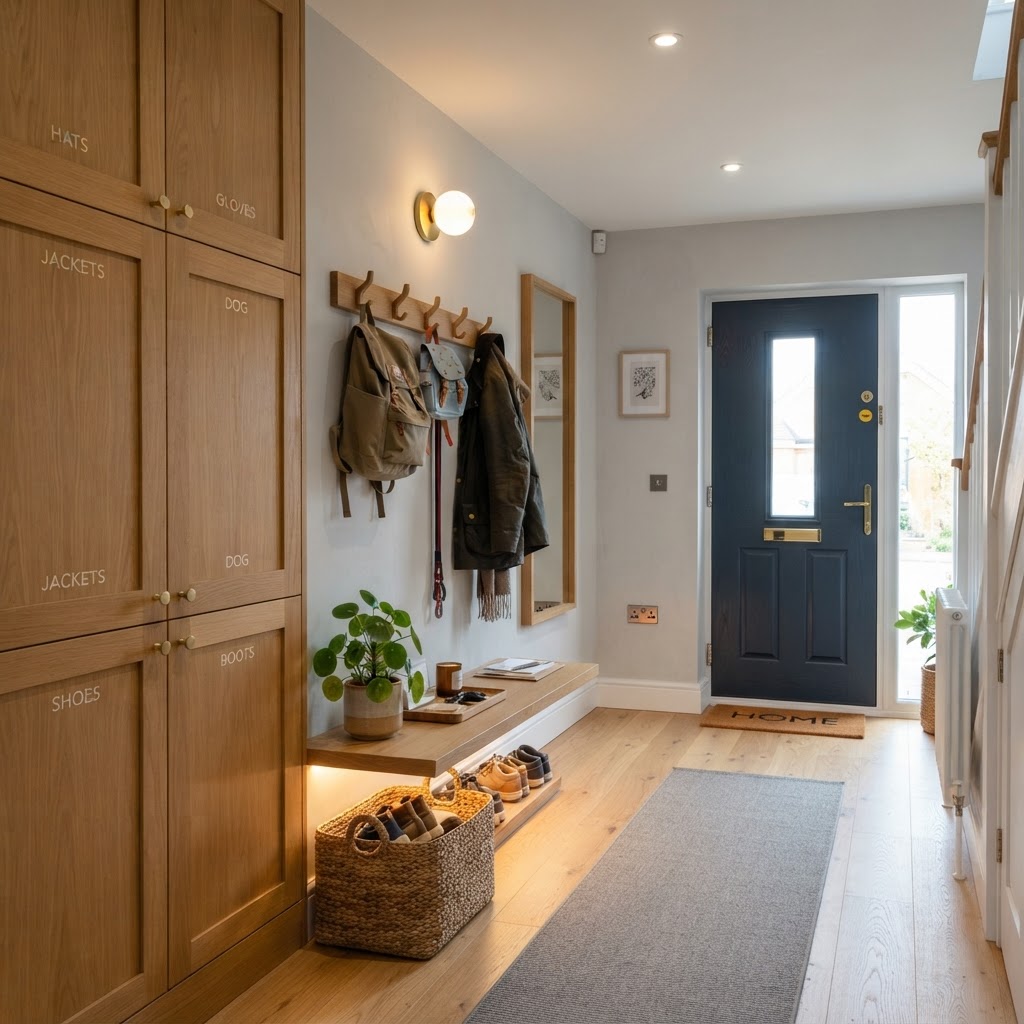
Home Organisation
Struggling to find things? Overwhelmed by clutter? We help you organise your space so it is functional, calm and easy to navigate.

Training and Education
We train professionals, organisations and communities on inclusive design, sensory smart spaces and accessibility. CPD accredited courses available.
Why this matters
Your home should support your health, not work against it
For many disabled, neurodivergent and chronically ill people, home is where the biggest barriers exist. Poor lighting increases falls. Noise disrupts sleep and concentration. Cluttered, poorly planned layouts reduce independence and increase anxiety.
Adapting your home is not a luxury. It is a practical step that protects your health, supports your independence and improves your quality of life.
9%
of homes in England have basic accessibility features
1 in 5
disabled adults say their home makes their condition worse
£2.3bn
falls cost the NHS annually, many preventable through better design
£26k
saved per person per year when adaptations reduce residential care needs
NeuroInclusive Interior Design
Sensory spaces that calm the mind and support independence
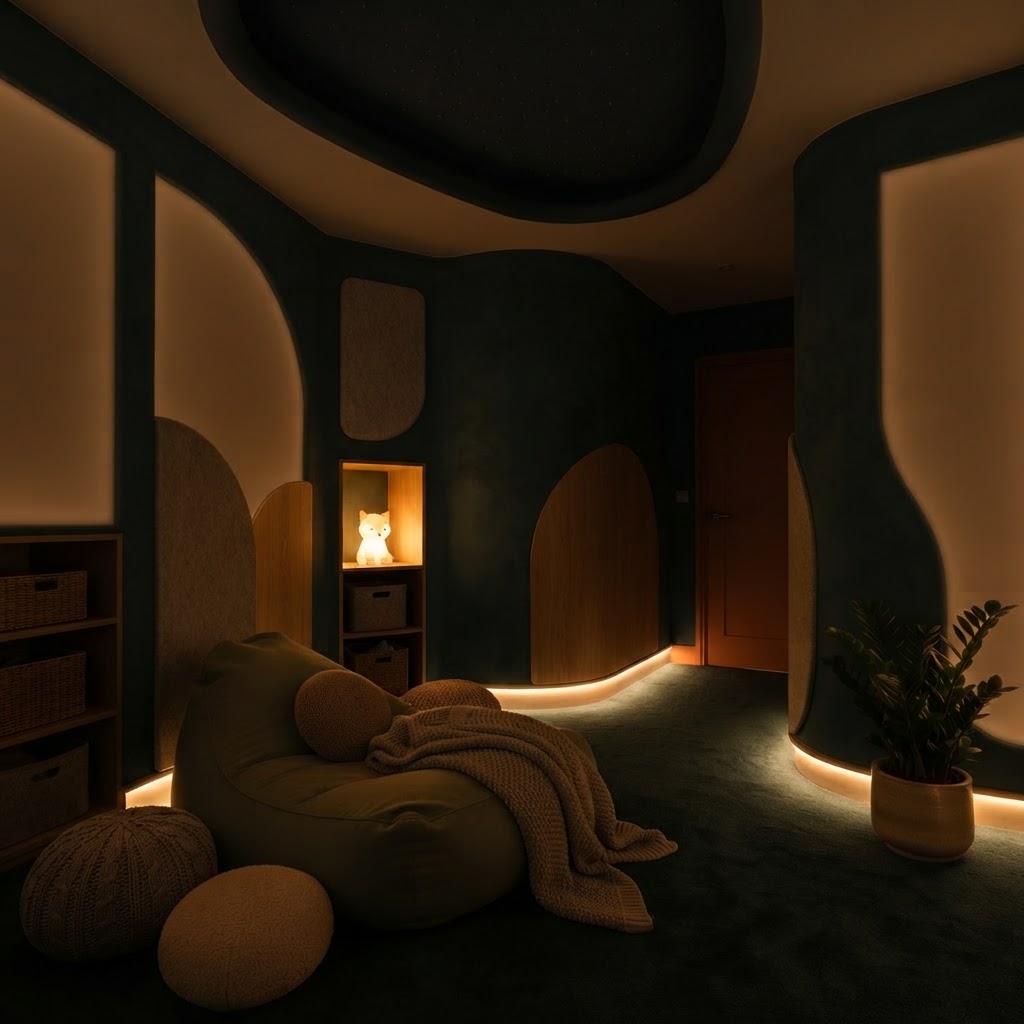
Designed for autistic people and anyone who experiences sensory overload, this room shows how mood lighting, calm storage and tactile details create a place where you can settle, focus on what matters and recharge.
Soft and adjustable light
Dimmable lamps and layered LED glow reduce overstimulation so your body can settle.
Calming colour palette
Deep teal and sage tones create a restful visual field that is easy on tired eyes.
Clear wayfinding
Colour contrast between walls, floors and doorways helps you find your way with less effort.
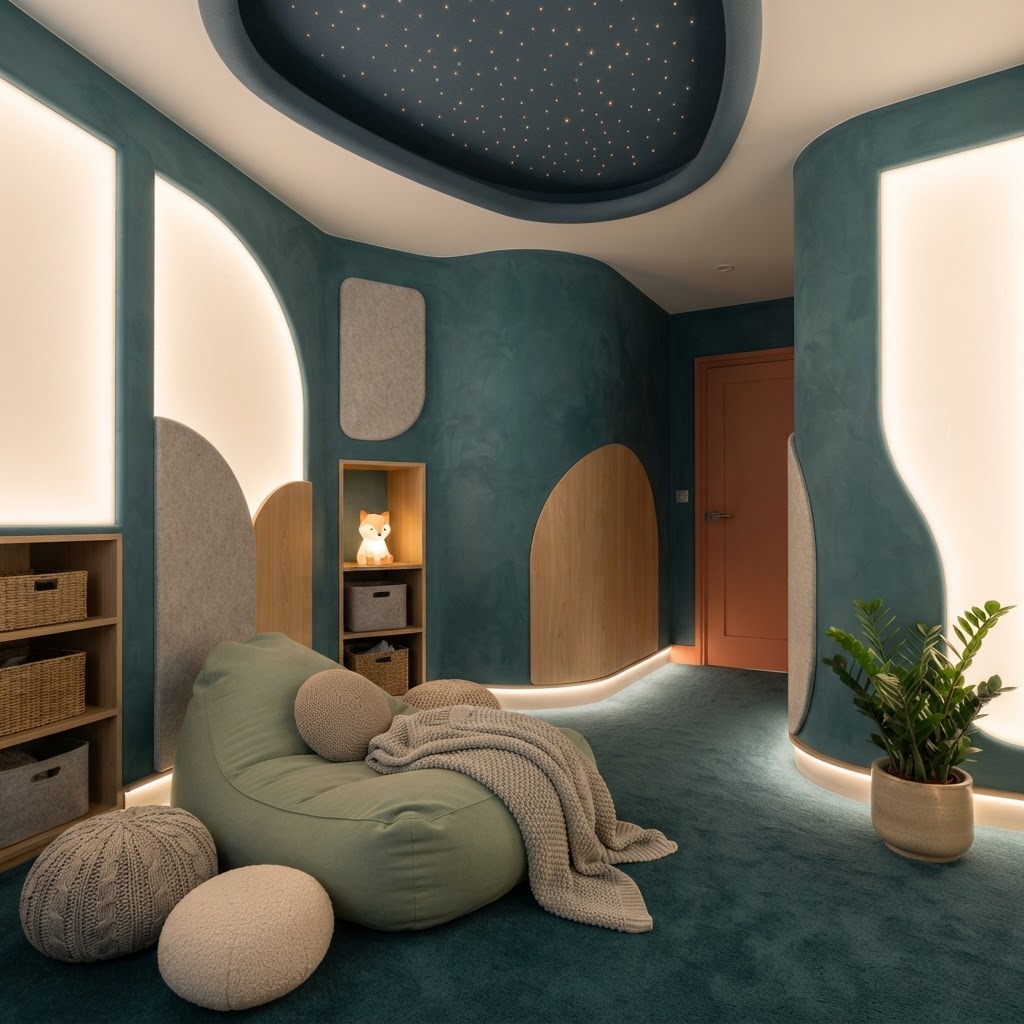
Calm closed storage
Recessed shelving keeps surfaces clear and makes the next step obvious.
Tactile comfort
Soft fabrics, knitted throws and fidget objects invite grounding whenever you need it.
Personal choice and control
Lighting you can adjust yourself supports independence and self regulation.
“The right light can quiet the noise and make space for what matters.”
Key features
- Tunable LED lighting for colour and brightness
- Zoned and dimmable light layers with no glare
- Fibre optic star ceiling
- Recessed storage with tactile fidget objects
- Soft fabrics and knitted textures
- Low maintenance biophilic touches
Material palette
 soft fabrics
 woven textures
 natural wood
 matte finishes
 biophilic elements
Warm, durable materials chosen to be easy to clean and calm to touch.
Adjustable lighting modes
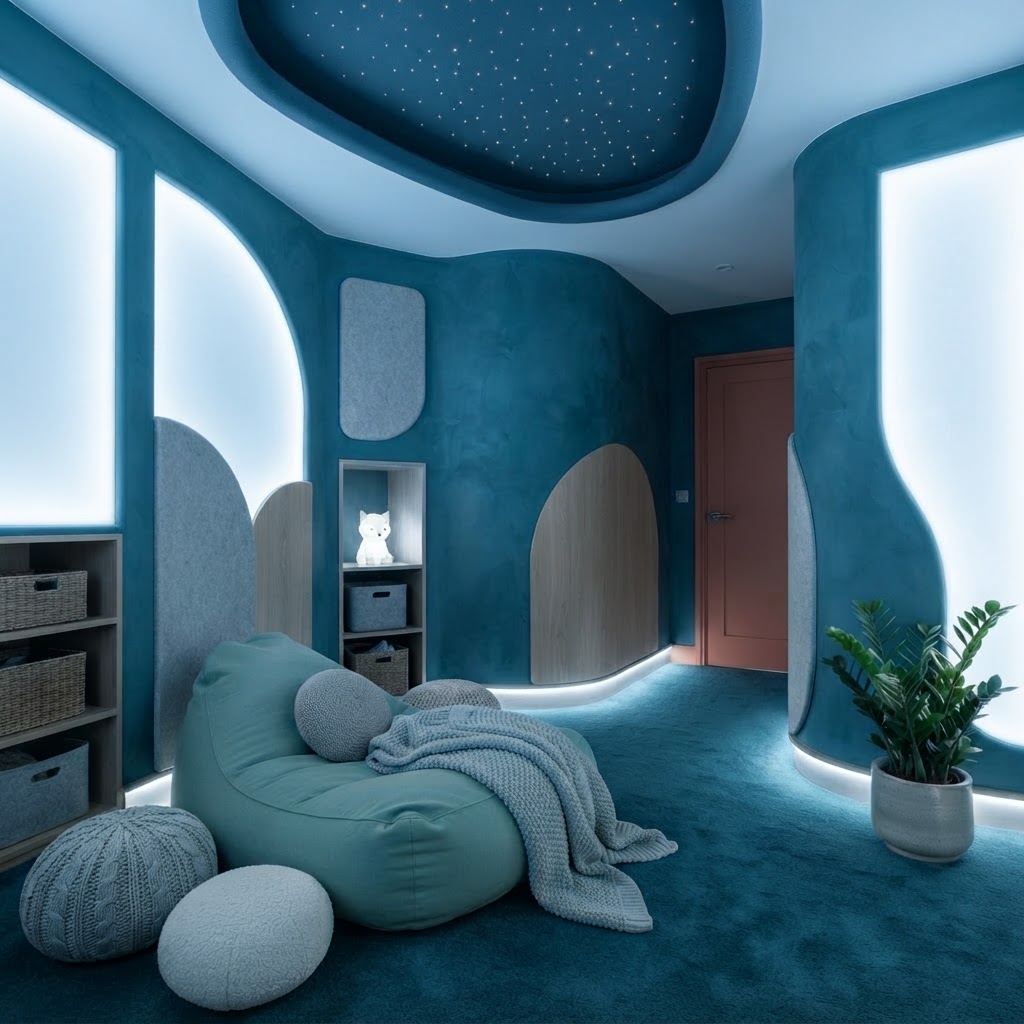
Focus
Cool, clear light that supports focus on tasks.
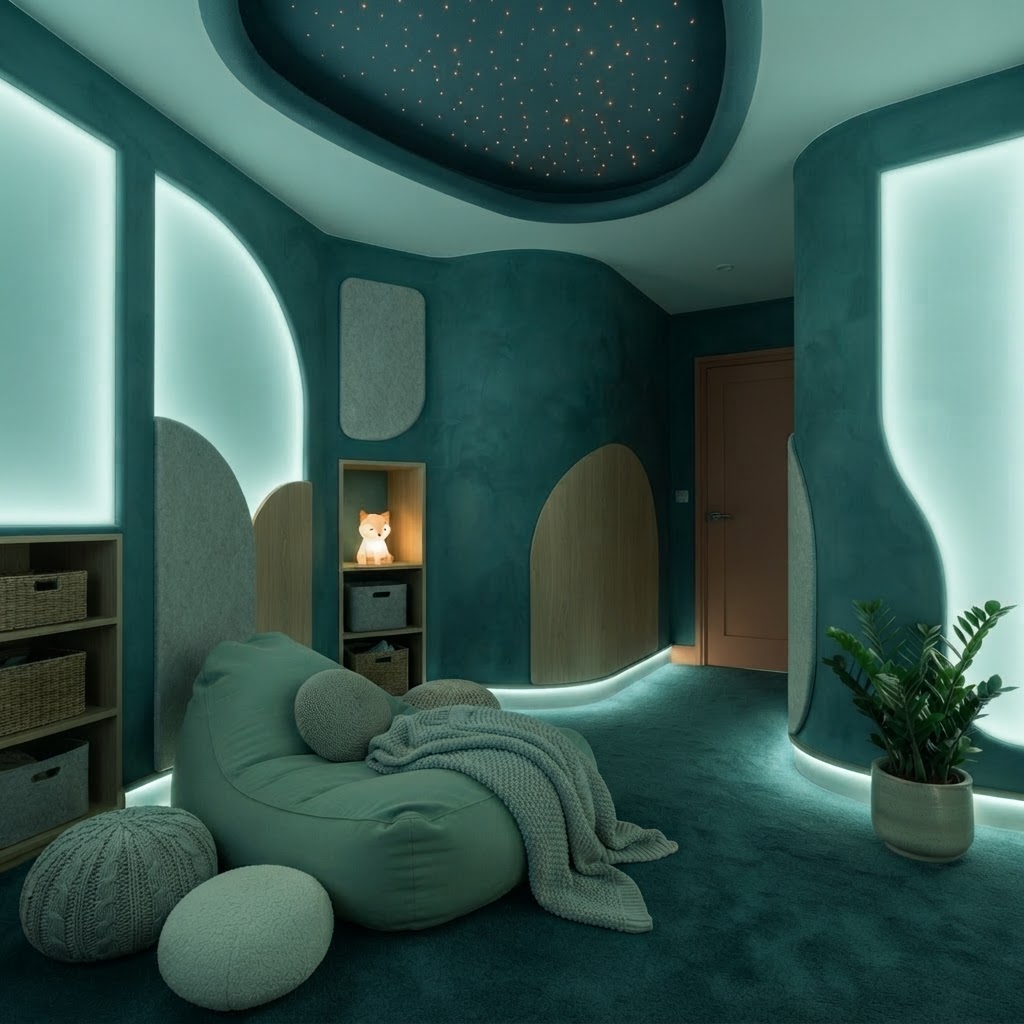
Calm
Soft teal tones that help you settle.
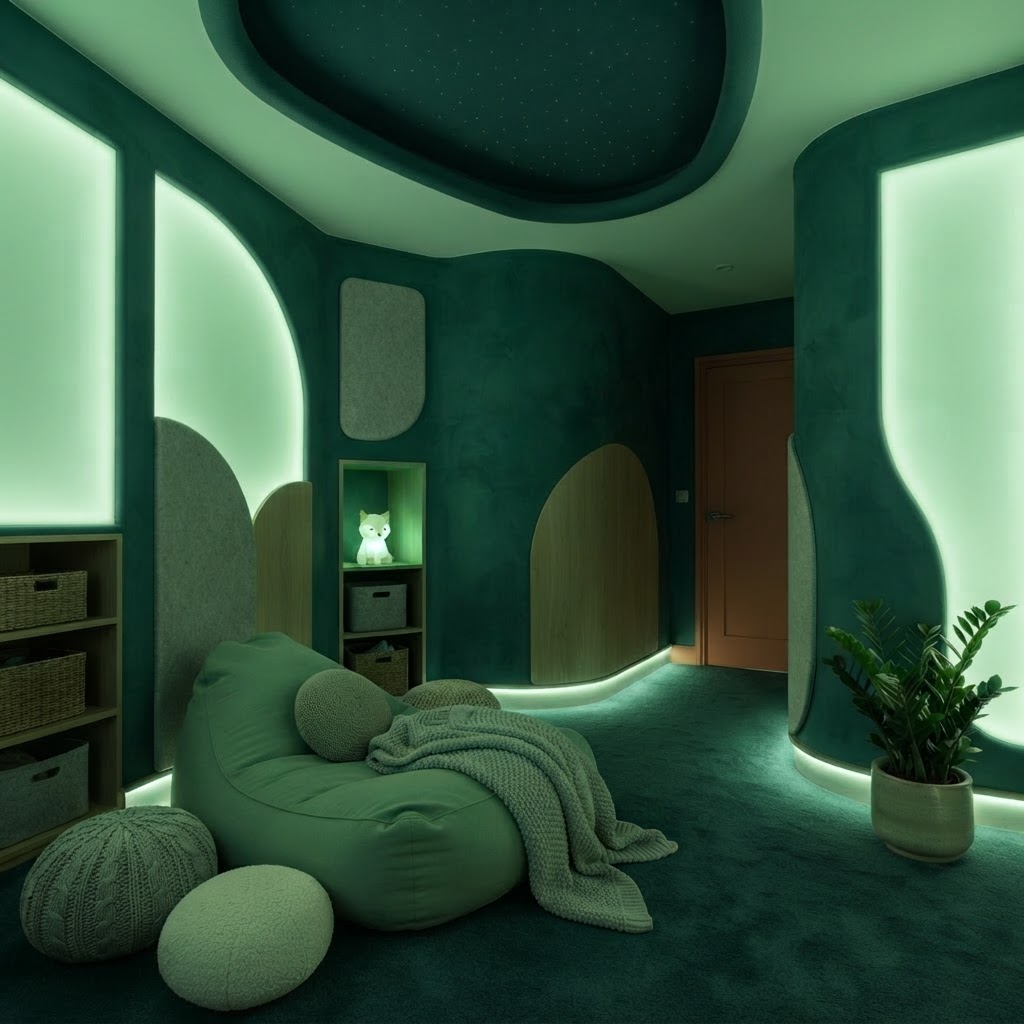
Recharge
Gentle green hues that support rest.
Unwind
Low warm light for the end of the day.
Thoughtful Design. Calmer spaces.
Not sure you can afford this right now?
You are not on your own. Many people fund home changes through grants such as the Disabled Facilities Grant, charity funding or staged works over time. We can help you explore what may be available.
Explore funding optionsTrusted Assessor qualified
Our assessments are carried out by qualified Trusted Assessors.
Trauma-informed and evidence-based
Every recommendation is grounded in research and delivered with care.
Safeguarding and vetted network
Every professional we match you with has passed our verification process.