
Case study
Alison’s family
Practical home support to reduce risk, improve comfort and make everyday life feel lighter
Alison is a mum of three living in an overcrowded home. The family were dealing with disrepair, safety risks and a space that felt hard to manage day to day. We supported Alison with practical design thinking and hands on advocacy, including liaising with Greenwich Council to push for repairs.
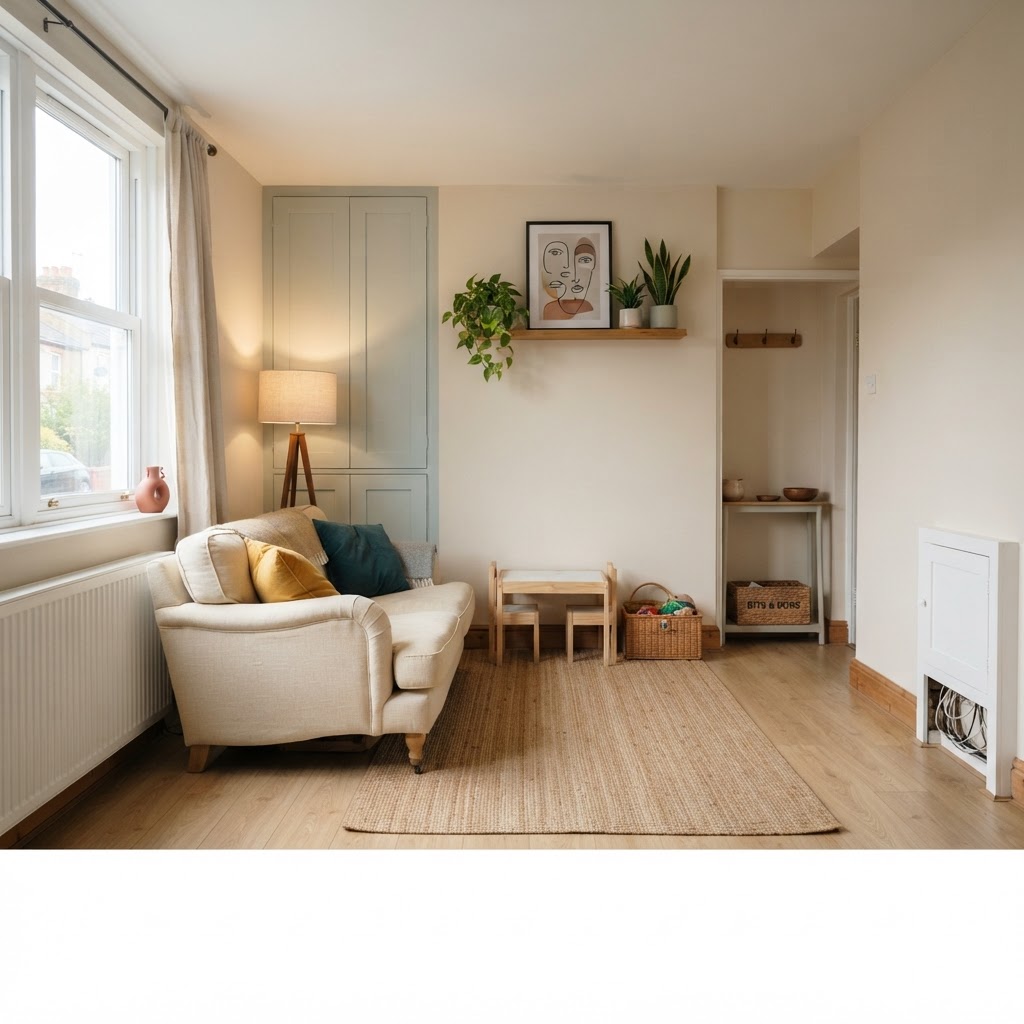
This page shares a real world housing and design support story. It is not medical advice.
The situation
- Overcrowding and limited privacy
- Home disrepair including damp and safety hazards
- High stress and reduced day to day function
What we did
Practical support and advocacy
- Liaised with Greenwich Council to help escalate repairs to damp and mould
- Raised safeguarding and safety concerns about exposed wiring and other security risks for the child
- Mapped practical next steps for space, storage and safer routines
Design criteria
Make it fun and bright
- Make it fun and bright
- Use warm, uplifting colour accents without creating sensory overload
- Prioritise soft, diffused lighting and reduce glare
- Create clear zones for sleep, calm, play and work
- Use simple storage that is easy to maintain
- Choose durable, wipe clean finishes that reduce long term stress
Outcomes we are working to improve
- Reduced risk from hazards in the home
- A calmer environment with less overwhelm
- More predictable routines through clearer layout and storage
- Better access to support through council liaison and advocacy
How we measure impact
- Before and after home walk through notes
- Resident feedback on what feels easier and safer
- Practical milestones such as repairs completed and hazards removed
Public consultation and what we share back
We take a resident-led approach to consultation. That means we listen first, then design with people, not for people.
We share learning back in plain language through short updates and newsletters, so residents, partners and other community spaces can see what we are testing, what is working and what we would do differently next time.
What we publish and when
- Short updates during delivery, focused on what residents asked for and what we are doing in response
- Simple before and after reflections after key milestones
- A final learning report at the end of the project, so other community spaces can replicate what works
How we protect privacy
We only share anonymised insights and themes unless we have clear, informed consent to share someone’s words or story.