
Case study
Emmaus wellbeing garden
Co-designing a wellbeing garden that supports calm, connection and everyday comfort
This is a resident-led co-design project focused on sensory comfort, dignity, independence and practical daily function, starting with the outdoor wellbeing garden.
This page shares learning from resident feedback and co-design. It is not medical advice. If you have concerns about your health or wellbeing, please speak to your GP or a qualified professional.
What residents told us
Residents told us they want calmer, more predictable spaces and practical support to understand what helps their wellbeing.
61%
need quiet, relaxing and sensory-friendly spaces
63%
say the lack of private or quiet spaces affects their mental health or mood
48%
did not know which area of health and wellbeing is most important for them right now
21%
could identify what would help improve their physical health
What this means
Residents are asking for calm, privacy and sensory comfort, and many want practical support to understand what helps their wellbeing.
Why a wellbeing garden
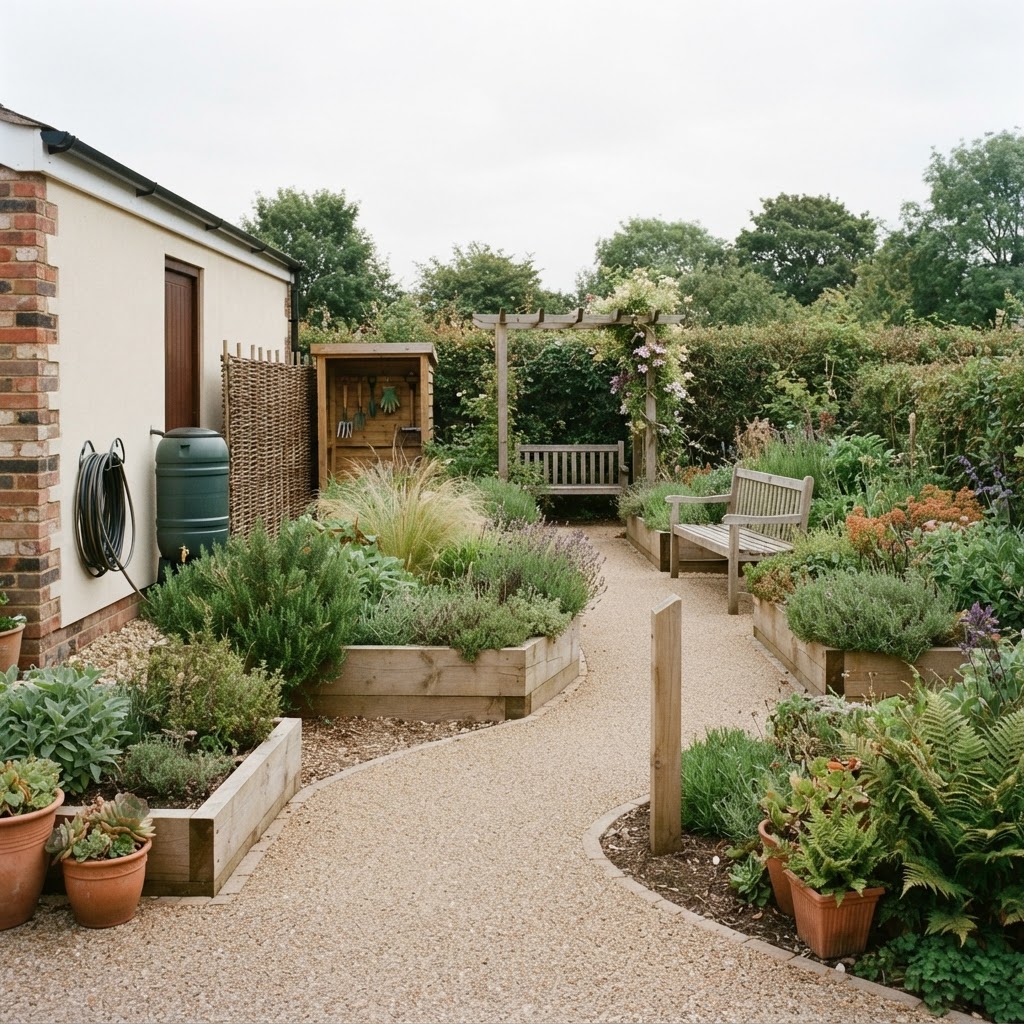
A wellbeing garden can offer a quieter, lower pressure space for regulation, gentle movement and social connection.
It can also be a practical, hands on way to close a learning gap around nutrition, growing and everyday health needs. When people can see, touch and take part, it becomes easier to build confidence with food, routines and self care.
This supports what residents told us they need.
What we are doing now
Wellbeing garden interventions
- Co-design sessions to understand how residents want to use the garden
- A planting plan focused on calm, sensory-friendly choices
- Seating and layout that supports both connection and quiet retreat
- Simple wayfinding and signage so the space feels predictable and easy to use
- Storage and maintenance plan to keep the garden usable long term
- Volunteer days to support planting, light repairs, painting, tidying and set-up
Mental health and long-term conditions
Context, not diagnosis
This section shares themes from resident responses to help explain why sensory and environmental adjustments matter. It is not medical advice or a clinical assessment.
In a small sample of 19 residents, self-ratings of mental health were mixed, with a minority rating their mental health as poor.
When asked about specific challenges, almost everyone reported at least one mental health challenge.
Reported challenges included depression, anxiety, social isolation or loneliness and stress management difficulties.
Residents also reported long-term health conditions, with arthritis or joint problems, diabetes, chronic pain and respiratory conditions appearing in responses.
These results reinforce why we focus on practical, trauma informed environmental changes that can reduce overwhelm and make it easier for people to take part in community life.
The outcomes we are working to improve
- Increased access to quiet and restorative space, including outdoors
- Reduced sensory overload in shared environments
- More opportunities for gentle movement and healthy routines
- Improved ability to take part in community life without overwhelm
- Improved wellbeing knowledge through simple, trauma informed education
How we measure impact
- Baseline and follow up surveys
- Participation measures
- Qualitative feedback
We gather reports throughout the Emmaus project and carry out check-ins at different points to evaluate impact and success, culminating in a final report for future community initiatives.
Public consultation and what we share back
We take a resident-led approach to consultation. That means we listen first, then design with people, not for people.
We share learning back in plain language through short updates and newsletters, so residents, partners and other community spaces can see what we are testing, what is working and what we would do differently next time.
What we publish and when
- Short updates during delivery, focused on what residents asked for and what we are doing in response
- Simple before and after reflections after key milestones
- A final learning report at the end of the project, so other community spaces can replicate what works
How we protect privacy
We only share anonymised insights and themes unless we have clear, informed consent to share someone’s words or story.
What’s next
Next we move into implementation, continue co-design check-ins and publish a short learning report so other community spaces can replicate what works.