blog
Biophilic design at home
By Hackit Design Team
Low maintenance plants and nature-inspired upgrades that support wellbeing at home — chosen for real life, not an ideal.
Biophilic design is about bringing nature's calming patterns into everyday spaces so your home works with your nervous system, not against it. For many disabled, neurodivergent and chronically ill people, that can mean:
- Fewer sensory spikes
- Better rest
- A stronger sense of safety
Low maintenance plant choices for busy, low energy and low light homes
- Snake plant
- ZZ plant
- Pothos
- Spider plant
- Peace lily
- Cast iron plant
- Rubber plant
Why choose plants based on your reality, not an ideal?
If you have limited mobility, look for:
- Sturdy pots and lightweight compost
- Self-watering planters
- A safe place to water without lifting
Why plants matter
Nature exposure is consistently linked with improved wellbeing. The NHS Forest brings together evidence on how nature supports health and recovery.
Practical biophilic upgrades beyond plants
- Natural textures
- Daylight and views
- Nature-inspired colours
- Gentle, layered lighting
- Ventilation and indoor air quality support
What transformation looks like
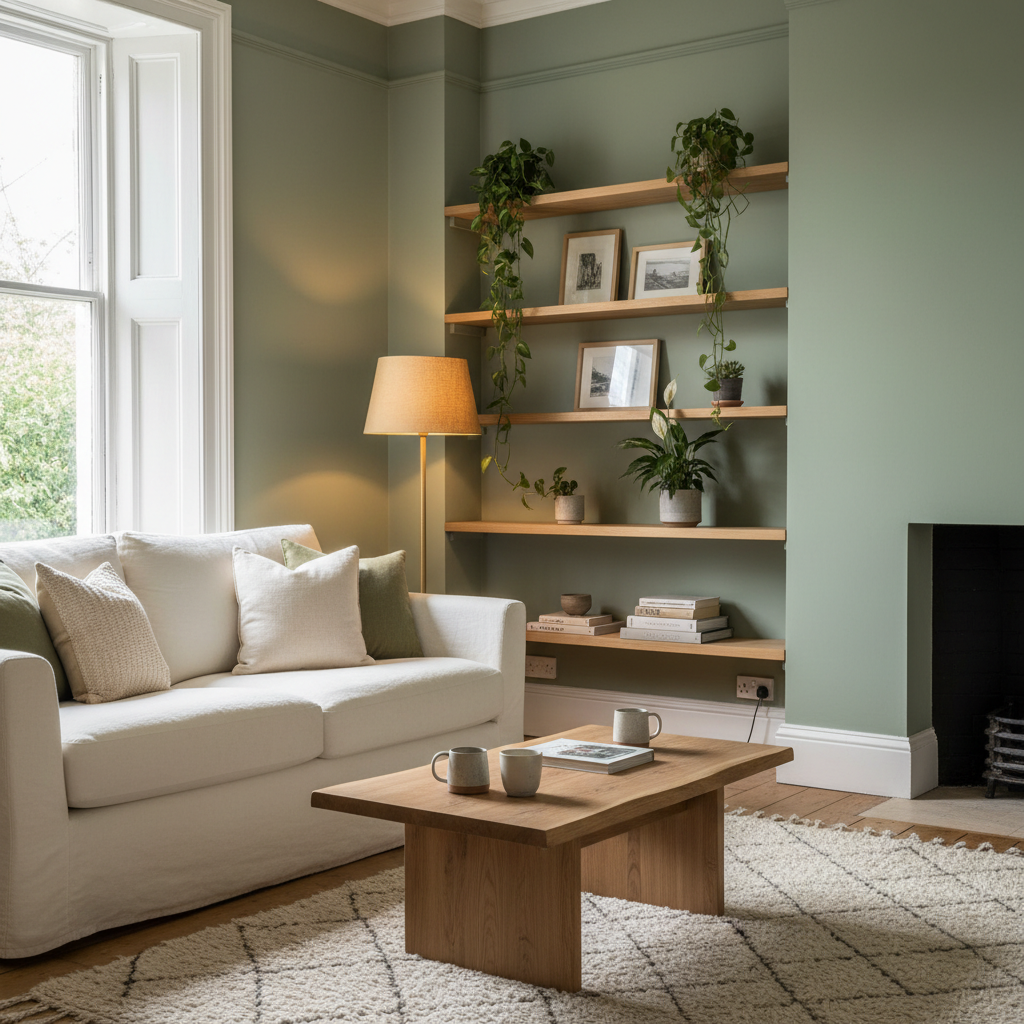
Biophilic design does not need to start with a blank canvas. Most homes already have the bones of something warm. The shift is in how you organise, light and soften what you already have.
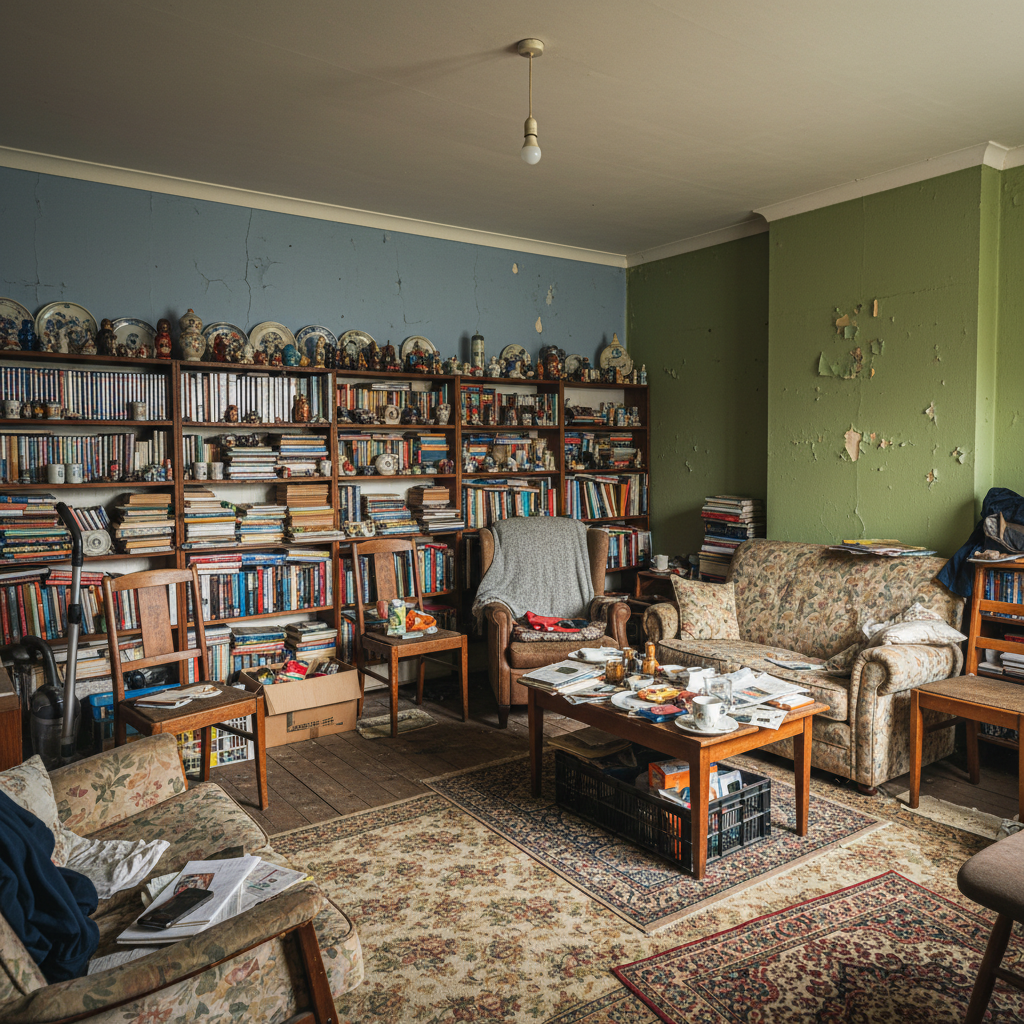
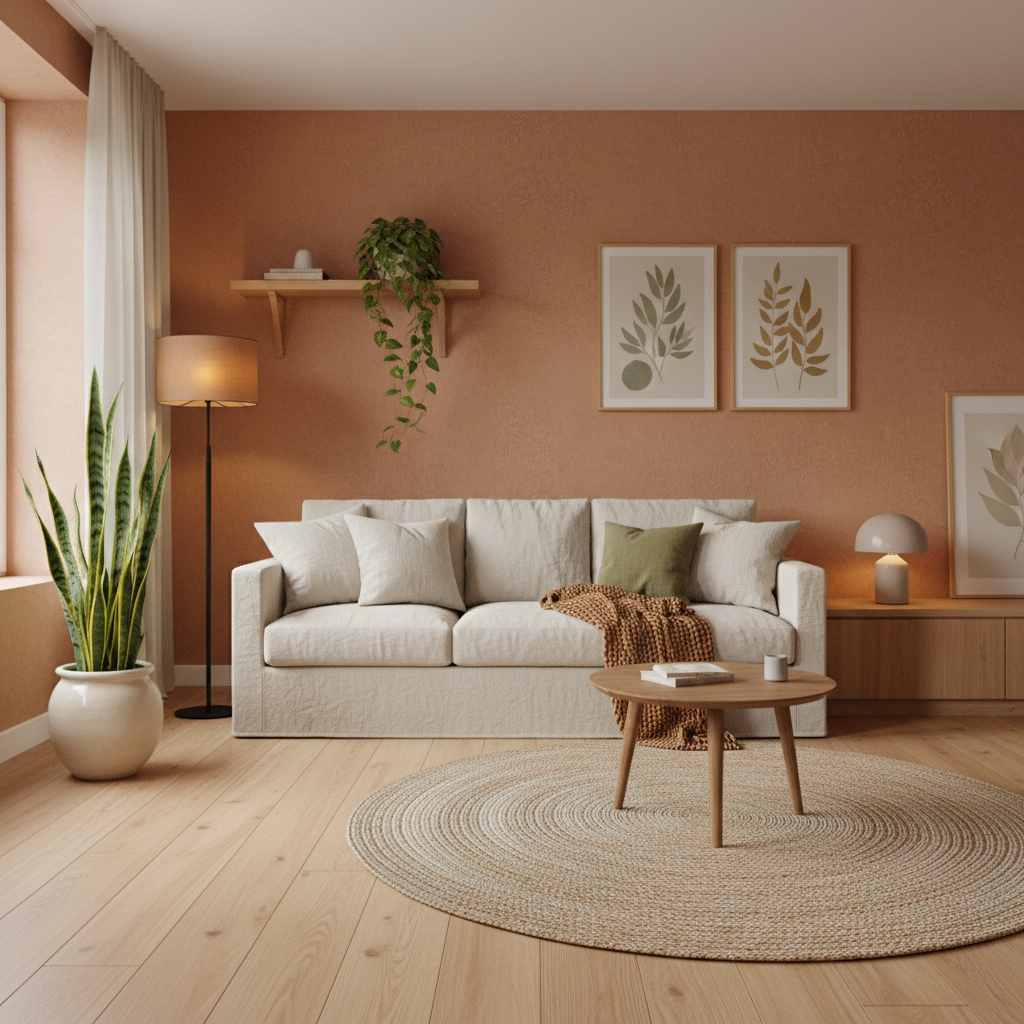
You can start with one shelf, one warm lamp, one plant that suits your light and your energy. The effect builds gently over time.
Evidence and links
- NHS Forest evidence archive Supports the health and wellbeing case for nature connection and nature-based interventions.
- NICE Indoor air quality at home NG149 Supports evidence-led guidance on ventilation, indoor pollutants, damp and mould risk reduction at home.
Need personalised support
Book a home assessment and we will recommend the right next steps for your home.
Need personalised support
Enjoyed this article?
Follow Hackit Design for more evidence-based guidance on NeuroInclusive Interior Design, accessible homes and wellbeing.
Share this article on Facebook · on LinkedIn