
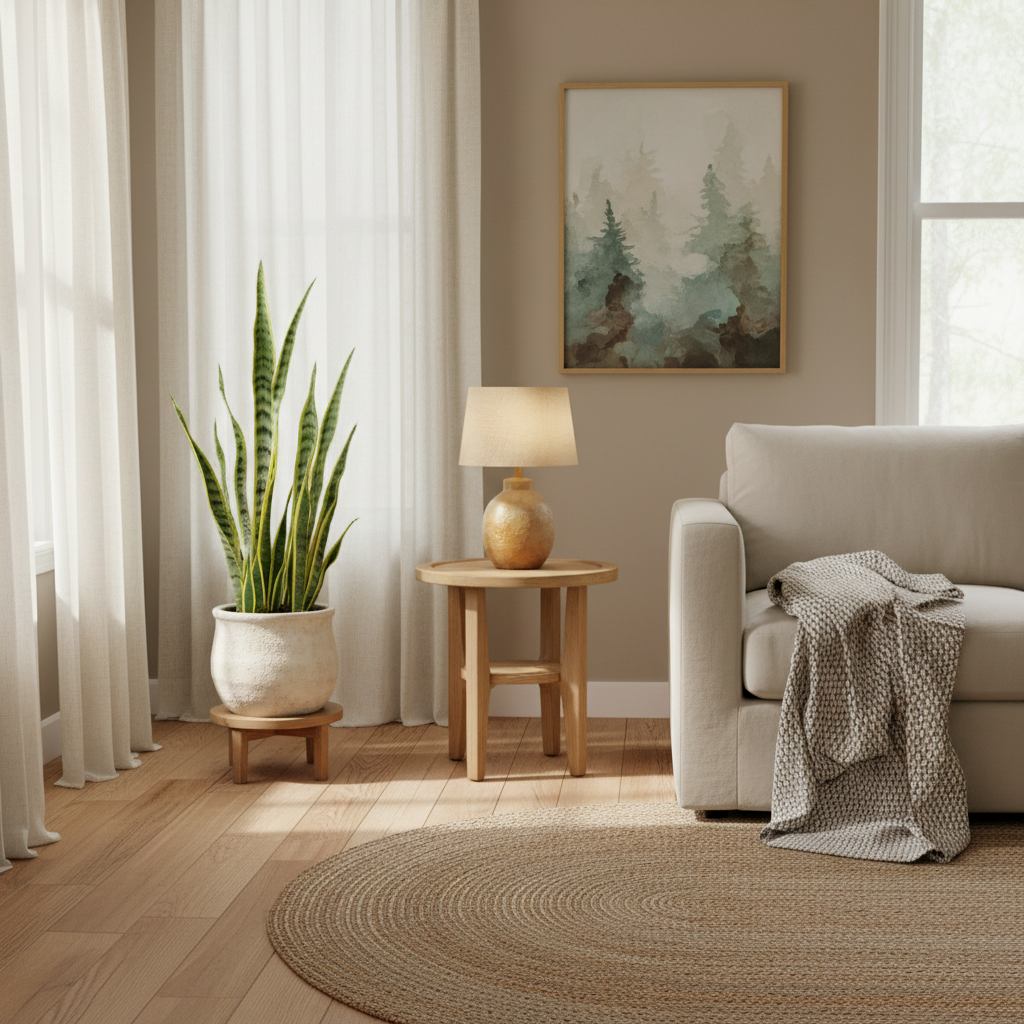
blog
Why use biophilic design
By Hackit Design Team
The evidence, the everyday benefits and the practical choices behind bringing nature into your home — with clear next steps for individuals and organisations.
Biophilic design is not a trend. It is a practical way to reduce stress and improve comfort by using:
- Natural light
- Plants
- Natural materials
- Nature-inspired forms
For our community, biophilic design can be especially supportive because it can reduce cognitive load. When your environment feels calmer, your body spends less time in threat mode and more time in rest and repair.
The evidence behind these wellbeing benefits
These changes support wellbeing because they reduce stress on the nervous system, support sleep and concentration and lower exposure to indoor triggers like poor air quality and visual strain.
Daylight and glare control
Better daylight exposure supports circadian rhythm, which affects sleep, mood and energy.
A study of office workers found people with windows had 173 percent more white light exposure during work hours and slept an average of 46 minutes more per night than workers without windows.
In the same study, workers with windows also reported better quality of life scores than those in windowless workplaces.
Indoor plants and safe planting zones
Indoor plants can support wellbeing through stress reduction and improved comfort.
A systematic review found indoor plants are consistently associated with improved wellbeing outcomes, including reduced stress and increased positive mood, across multiple study types. The same review also reports links between indoor plants and higher self reported concentration and perceived air quality, which can improve comfort and focus.
Natural materials where possible
Natural materials and lower VOC finishes can reduce exposure to irritants, especially for people who are sensitive to odours and airborne triggers.
UK Health Security Agency guidance notes that indoor air can be more polluted than outdoor air and that everyday sources include building materials, furnishings and cleaning products.
The NHS also highlights indoor air pollution and irritants as a health issue.
Views, artwork and imagery of nature
Nature views and nature imagery can reduce stress and support recovery.
A widely cited hospital study found patients recovering from surgery with a window view of trees had shorter post operative hospital stays than those with a view of a brick wall.
The same study found patients with nature views had fewer negative nurses notes and used fewer strong painkillers during recovery.
Better indoor air quality and ventilation
Indoor air quality and ventilation are strongly linked to comfort, respiratory health and thinking performance.
A controlled study found cognitive function scores were 61 percent higher in a Green building condition and 101 percent higher in a Green plus condition compared with a conventional condition, linked to higher ventilation and lower VOCs.
Separately, UK government public health guidance highlights that falls cost the NHS around £2.3 billion per year and account for over 4 million hospital bed days in England. This matters because better lighting, clearer layouts and reduced trip hazards are core parts of creating safer homes.
What should you include in a biophilic home?
- Daylight and glare control
- Indoor plants and safe planting zones
- Natural materials where possible
- Views, artwork and imagery of nature
- Better indoor air quality and ventilation
References
- Impact of Windows and Daylight Exposure on Overall Health and Sleep Quality of Office Workers
- Indoor plants and psychological wellbeing, systematic review
- UKHSA Indoor air quality guidance
- NHS advice on air pollution
- Ulrich 1984 View through a window may influence recovery from surgery
- Associations of Cognitive Function Scores with Carbon Dioxide, Ventilation and Volatile Organic Compounds
- Falls applying All Our Health
If you want support to make your home feel calmer, safer and easier to live in, you can book a Hackit Design home assessment. If you are an organisation, you can request a consultation for inclusive, emotionally safe and neuroinclusive design guidance.
Need personalised support
Book a home assessment and we will recommend the right next steps for your home.
Need personalised support
Enjoyed this article?
Follow Hackit Design for more evidence-based guidance on NeuroInclusive Interior Design, accessible homes and wellbeing.
Share this article on Facebook · on LinkedIn