
blog
The senses and the built environment
By Hackit Design Team
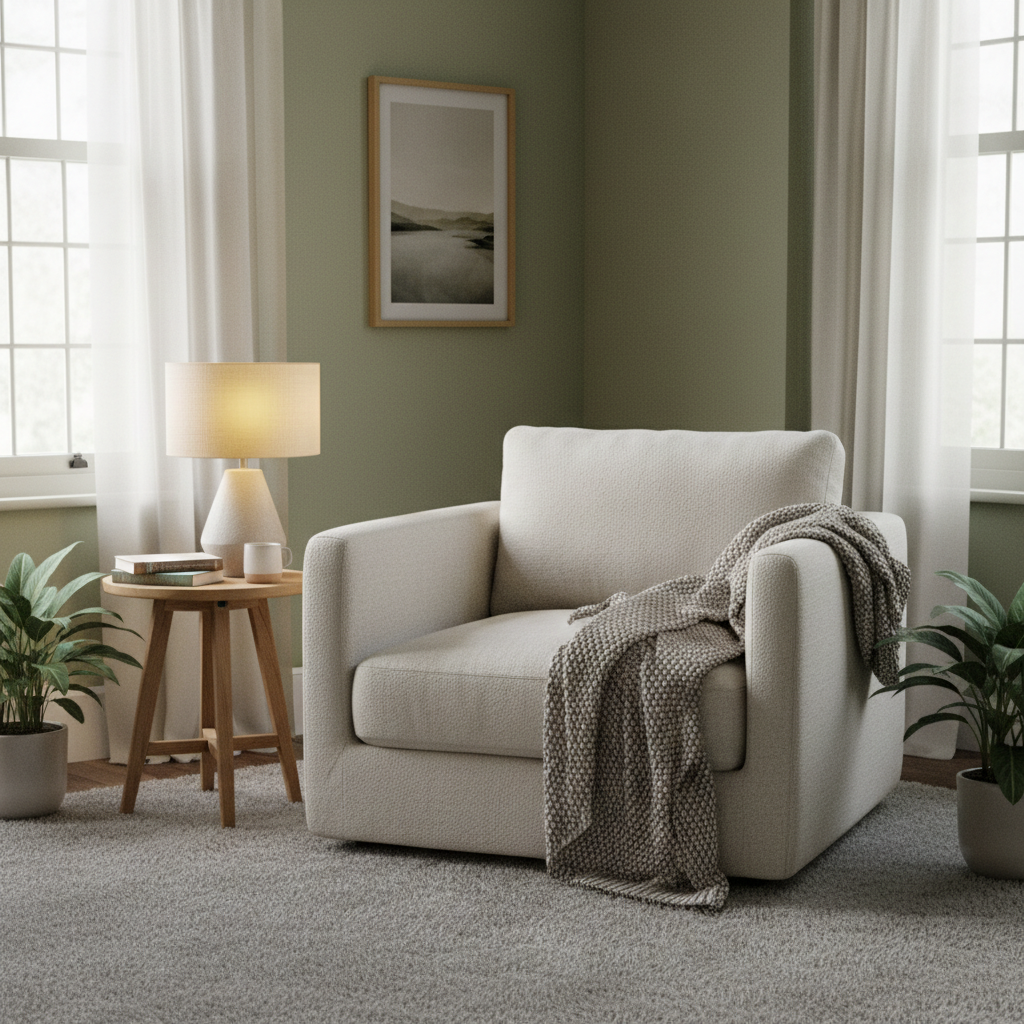
How sensory load shapes health, behaviour and daily life — and gentle design moves that can make a real difference.
Your home is not neutral. It is constantly giving your brain information through:
- Light
- Sound
- Temperature
- Smell
- Texture
- Movement
When those inputs are unpredictable or harsh, it can increase stress and fatigue. Indoor air quality is a key sensory and health factor. NICE guidance on indoor air quality at home explains why ventilation, damp prevention and reducing indoor pollutants matters.
What are the gentlest ways to make your home more sensory-smart?
- Reduce glare and flicker
- Create quiet zones
- Use predictable storage and clear pathways
- Choose low-odour materials
- Prioritise ventilation
What transformation looks like
A sensory-smart room does not need to be expensive. Small changes in light, texture and layout can shift how a space feels for your nervous system.
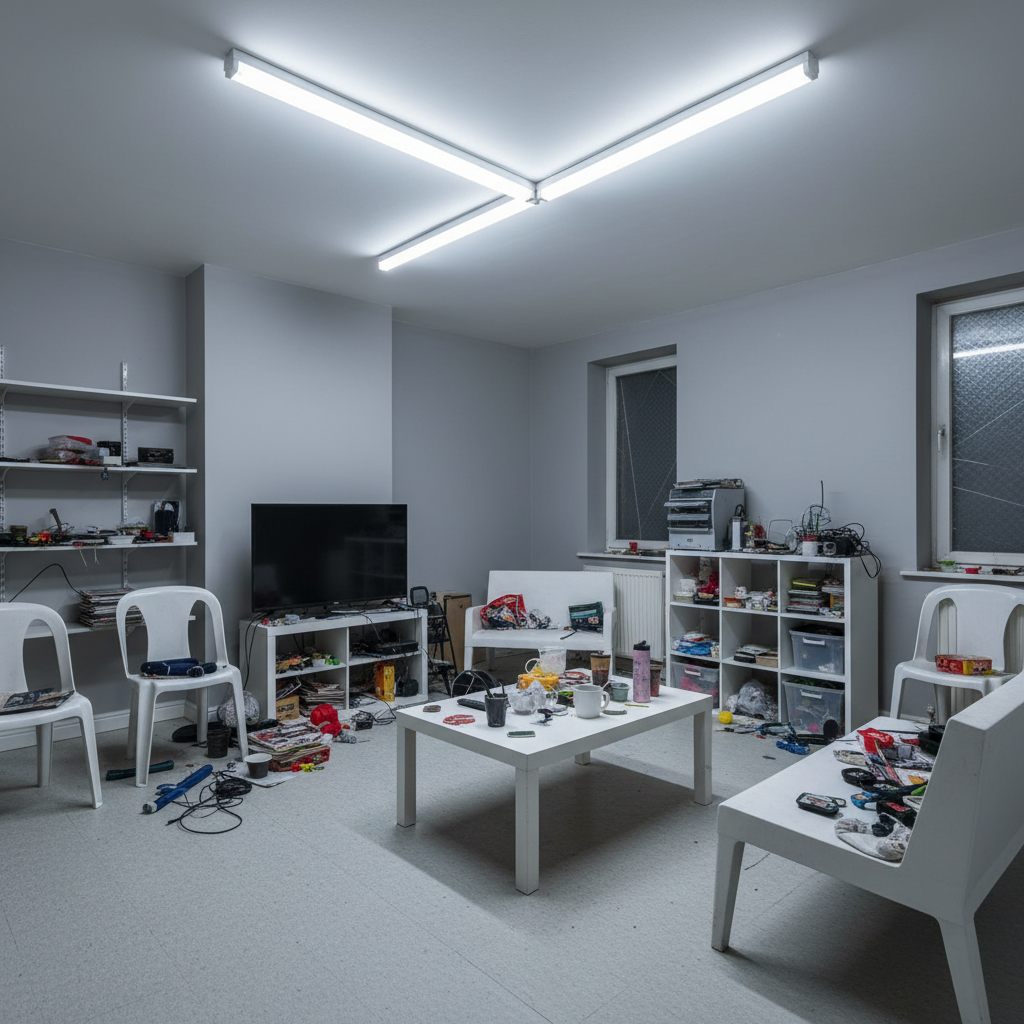
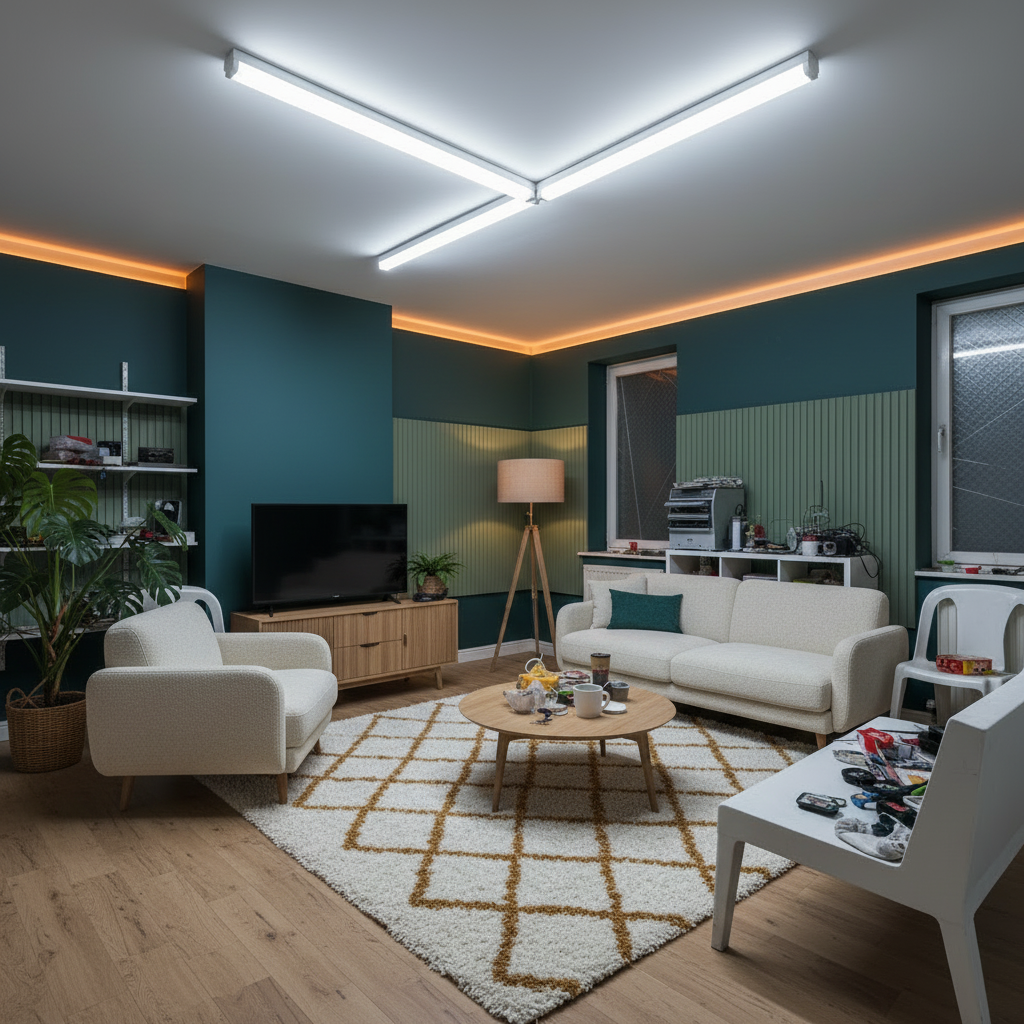
The difference is not just aesthetic. It is neurological. When your environment stops shouting at your senses, your body can rest.
Evidence and links
- NICE Indoor air quality at home NG149 Supports evidence-led guidance on ventilation, indoor pollutants, damp and mould risk reduction at home.
- UK Parliament briefing on homes and health Supports the policy context linking housing conditions to health outcomes.
- Emotional Safety in Design of Supported Housing (PMC) Supports emotional safety design principles and the case for environments that reduce psychological distress risk.
Need personalised support
Book a home assessment and we will recommend the right next steps for your home.
Need personalised support
Enjoyed this article?
Follow Hackit Design for more evidence-based guidance on NeuroInclusive Interior Design, accessible homes and wellbeing.
Share this article on Facebook · on LinkedIn