
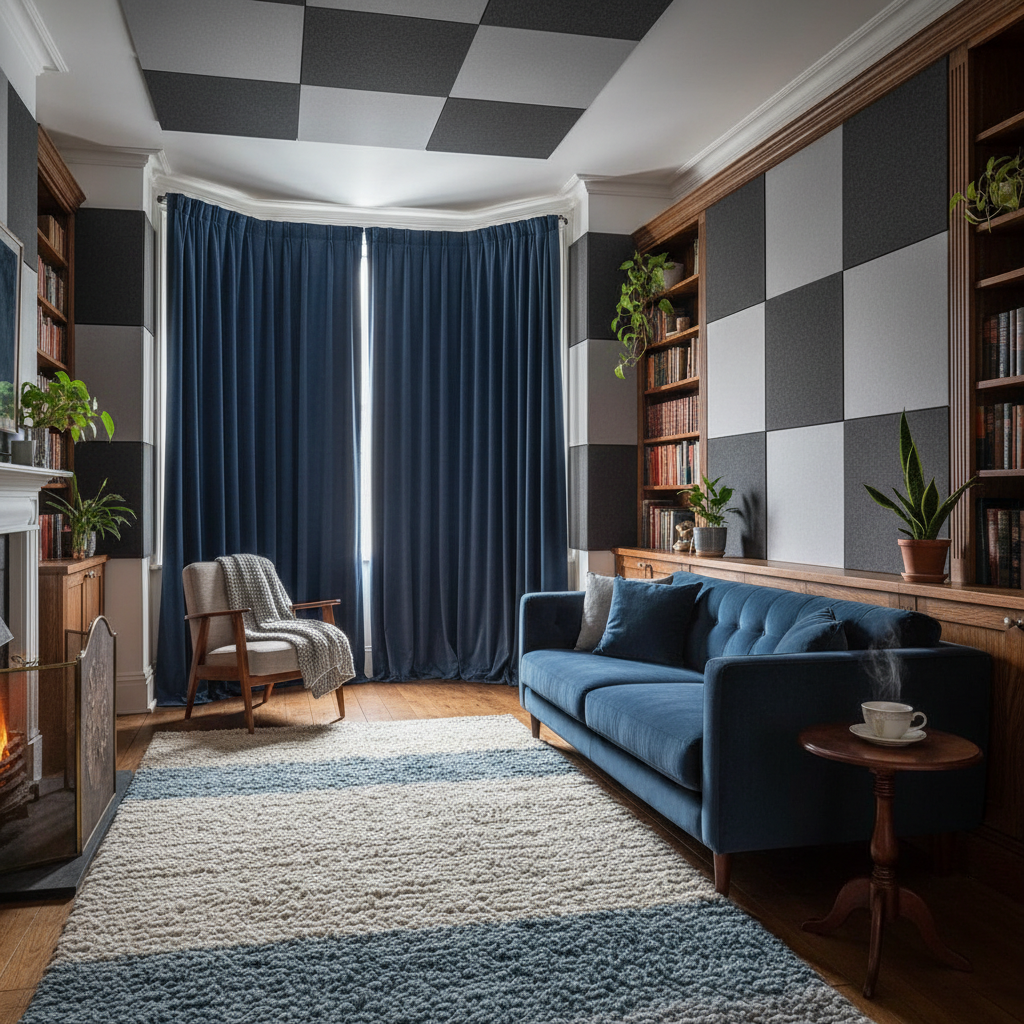
blog
Sound absorption
By Hackit Design Team
How to reduce echo, stress and sensory overload at home using low-disruption, budget-friendly sound absorption ideas.
Sound is a hidden stressor. For many neurodivergent people, an echoey room can feel physically painful. For people with fatigue, chronic illness or anxiety, constant background noise can make rest impossible.
Approved Document E sets the baseline expectations for resistance to sound in dwellings. While it is not a full guide to comfort acoustics, it is a credible UK reference point when explaining why sound matters in housing.
What are the easiest low-disruption ways to absorb sound at home?
- Rugs and underlay
- Curtains and soft furnishings
- Upholstered furniture
- Acoustic panels in key rooms
- Bookcases and textured surfaces
What transformation looks like
A bedroom does not need structural work to feel calmer. Soft surfaces absorb sound and create a sense of safety that hard, echoey rooms cannot offer.
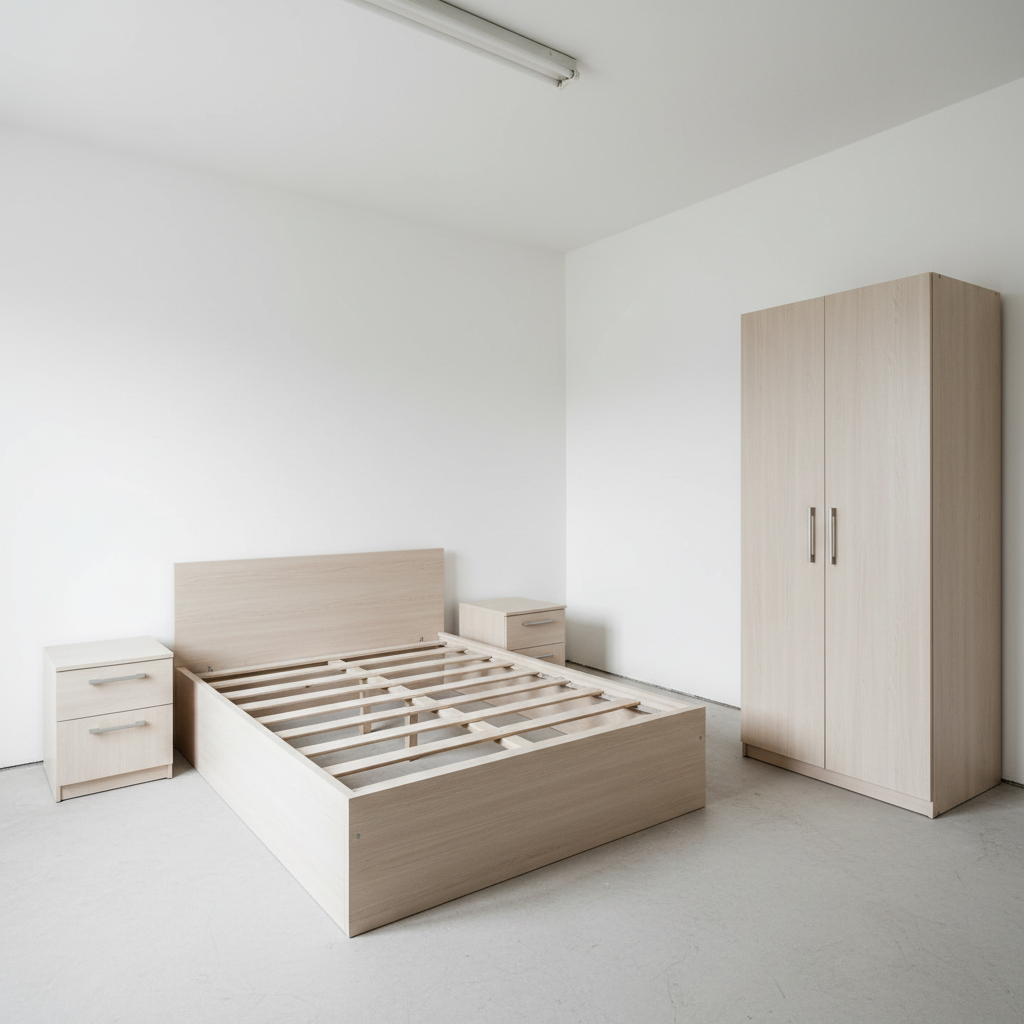
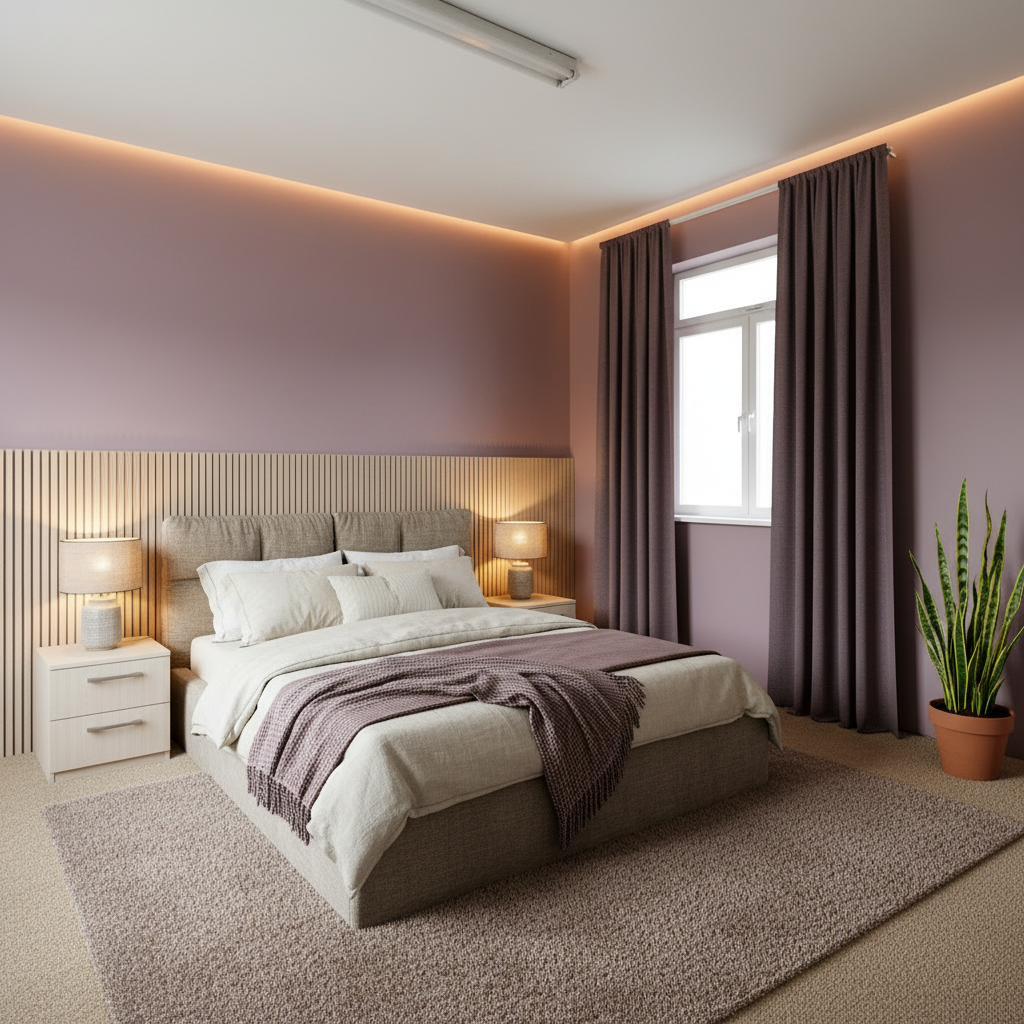
These changes are achievable without major building work. Rugs, curtains and soft furniture do much of the work.
Evidence and links
- Approved Document E: Resistance to sound Supports the UK regulatory baseline for sound insulation expectations in dwellings.
- Emotional Safety in Design of Supported Housing (PMC) Supports emotional safety design principles and the case for environments that reduce psychological distress risk.
Need personalised support
Book a home assessment and we will recommend the right next steps for your home.
Need personalised support
Enjoyed this article?
Follow Hackit Design for more evidence-based guidance on NeuroInclusive Interior Design, accessible homes and wellbeing.
Share this article on Facebook · on LinkedIn