
Back to resources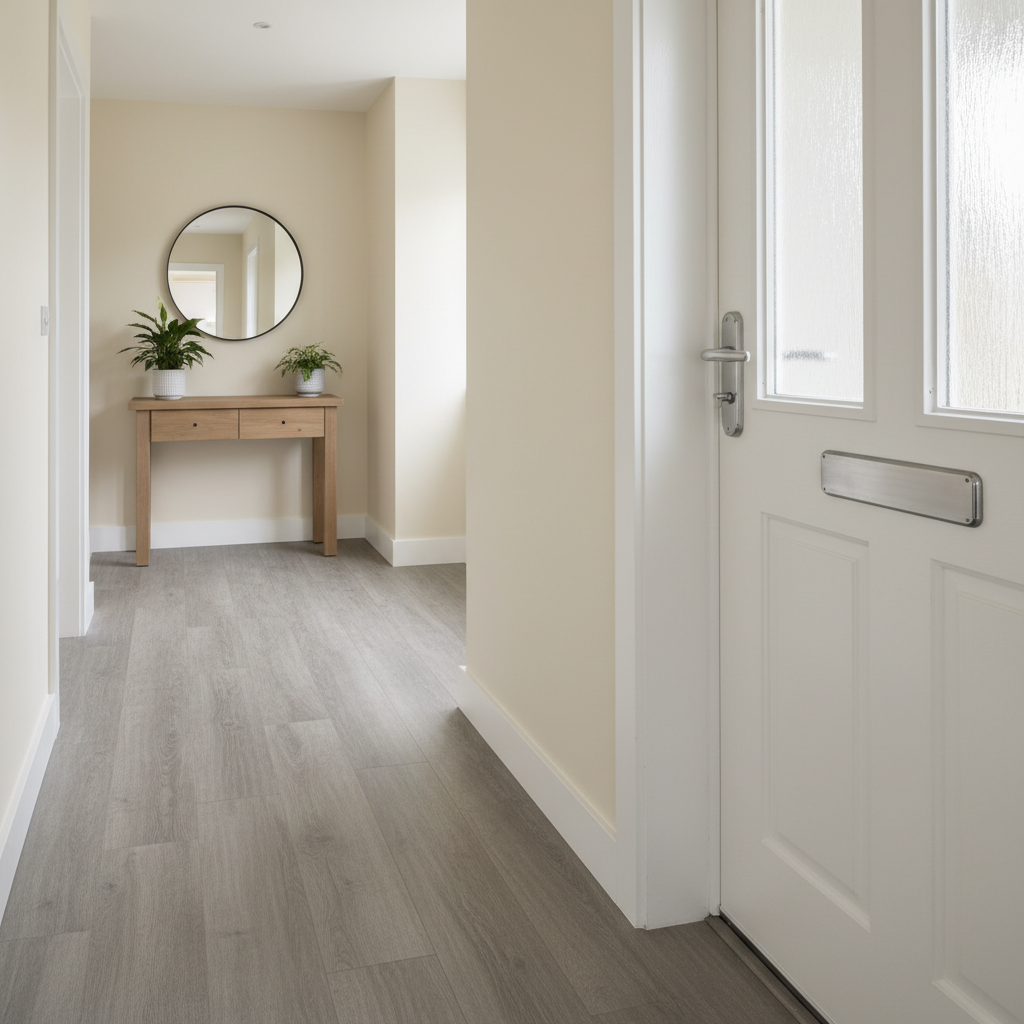
blog
Dyspraxia and the home
By Hackit Design Team
Designing for coordination, planning and confidence — practical ideas for a home that works with dyspraxia.
Dyspraxia can affect:
- Balance and coordination
- Spatial awareness
- Organisation
A supportive home reduces trip hazards, makes storage more intuitive and lowers the effort needed to complete daily tasks. The NHS page on dyspraxia in adults is a credible anchor for describing the lived impacts that design can ease.
What design ideas make the most difference for dyspraxia?
- Clear, wide pathways
- Consistent storage locations
- Labels and visual cues
- Non-slip flooring
- Easy-grip handles and taps
- Seating in key areas for pacing and rest
Evidence and links
- NHS Dyspraxia in adults Supports a credible description of dyspraxia impacts relevant to home layout, coordination and daily living.
- Housing LIN Colour and Wayfinding guide Supports practical guidance on colour, contrast and wayfinding in housing contexts.
Need personalised support
Book a home assessment and we will recommend the right next steps for your home.
Need personalised support
Enjoyed this article?
Follow Hackit Design for more evidence-based guidance on NeuroInclusive Interior Design, accessible homes and wellbeing.
Share this article on Facebook · on LinkedIn