blog
Accessibility is NHS prevention, not a luxury
By Hackit Design Team
Falls cost the NHS around £2.3 billion every year. Home adaptations are one of the most direct ways to reduce preventable harm.
Falls cost the NHS around £2.3 billion per year and account for over 4 million hospital bed days in England. These are not abstract numbers. They represent real people whose lives are disrupted by hazards that could often be reduced or removed.
Home adaptations are not a luxury. They are one of the most direct and cost effective forms of prevention available to the health system.
The cost of doing nothing
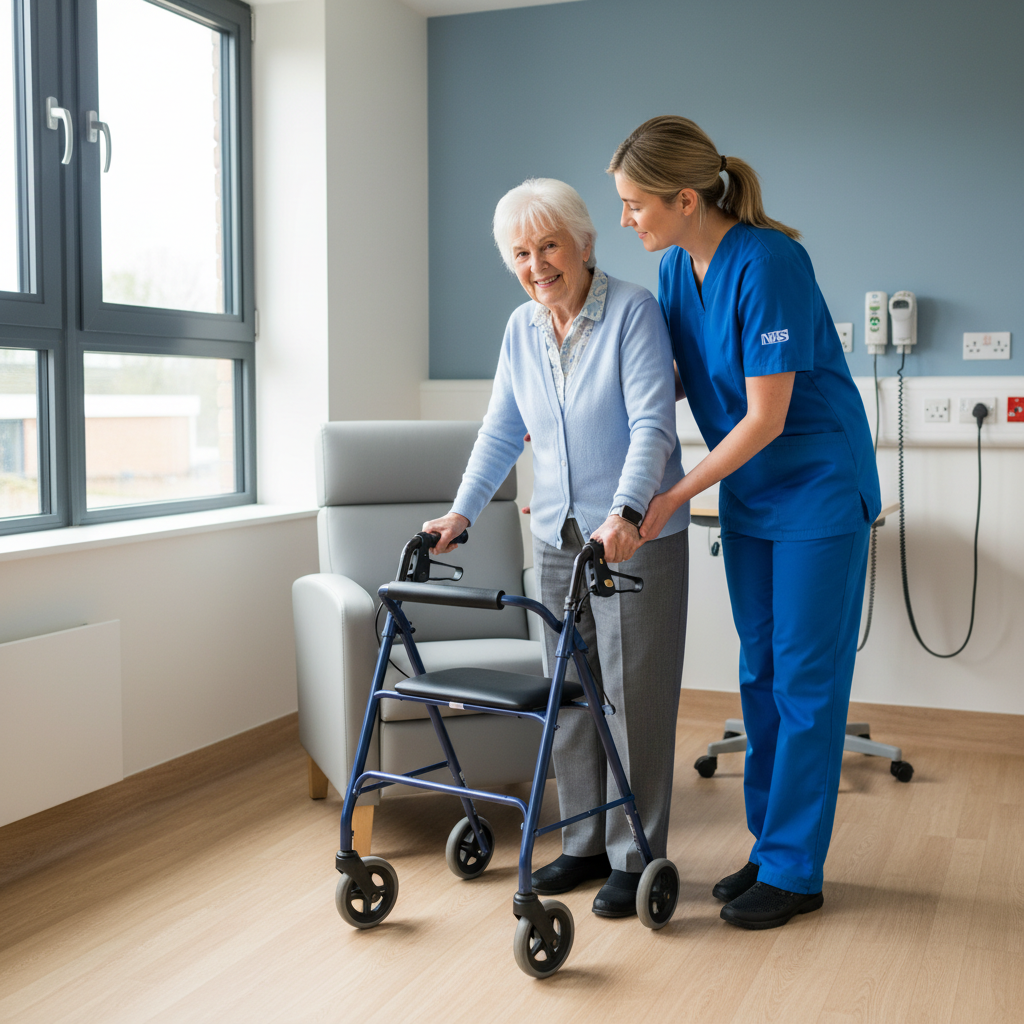
Every year, around a third of people aged 65 and over fall. For disabled and chronically ill people, the risk can be higher and the consequences more severe.
The NHS spends more on falls related care than on many widely discussed public health priorities. Each hospital bed day costs the system money, capacity and time that could be directed elsewhere.
What practical adaptations reduce fall risk
Grab rails in bathrooms and near steps
Level access showers instead of over-bath arrangements
Improved lighting on stairs, corridors and external paths
Contrasting stair nosings and handrails on both sides
Removing trip hazards like loose rugs, uneven thresholds and trailing cables
These changes are often small in cost compared to the cost of a single hospital admission.
Prevention pays back
The GOV.UK Falls guidance makes clear that falls are not an inevitable part of ageing or disability. Many are preventable through environmental changes, strength and balance support and medication reviews.
When a home is adapted before a crisis, the person stays healthier, the NHS saves money and families avoid the distress of an emergency admission.
Evidence and links
GOV.UK Falls applying All Our Health Supports the £2.3 billion cost figure, the 4 million bed days and the evidence on fall prevention through home adaptations.
Centre for Ageing Better Accessible Homes Factsheet 2025 Supports the case for home adaptations as a preventative health measure.
UK Parliament disability statistics briefing paper Supports broader disability prevalence data and the connections between housing, health and prevention.
Your next step
If you are worried about fall risk at home, start with our free assessment. We will help you identify the practical changes that matter most.
Need personalised support
Book a home assessment and we will recommend the right next steps for your home.
Need personalised support
Enjoyed this article?
Follow Hackit Design for more evidence-based guidance on NeuroInclusive Interior Design, accessible homes and wellbeing.
Share this article on Facebook · on LinkedIn