
blog
New grants for home adaptations in 2025. What has changed and why it matters
By Hackit Design Team
Councils in England are expanding the support available for disabled people to adapt their homes. Here is a guide to the key new grants introduced in 2025 and what they mean for you.
Home adaptations have always been available through the Disabled Facilities Grant (DFG), but the grants have not kept pace with rising costs or the full range of people's needs.
In 2025, the Royal Borough of Greenwich approved a new Housing Assistance Policy that introduces several important grants and increases funding across the board. If you or someone you care for is disabled, has a long-term condition or is approaching end of life, these changes may be relevant to you.
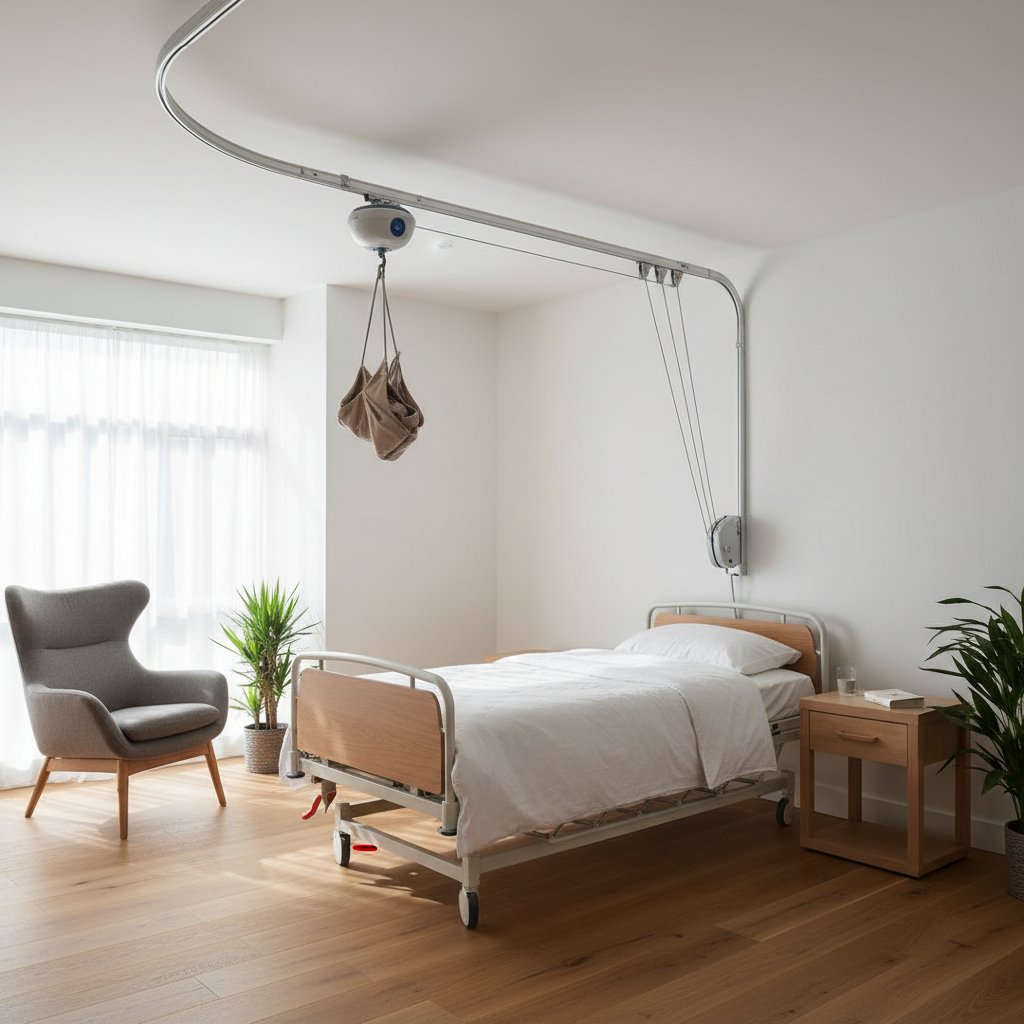
New grants for ceiling track hoists
Ceiling track hoists help disabled people transfer safely between positions, for example from a bed to a wheelchair. They also reduce the need for two carers to be present at the same time, which is both costly and hard to arrange.
Greenwich's new policy introduces a grant to fund ceiling track hoist installation. There is no means test and no limit on the number of applications. Referrals are made by an Occupational Therapist.
New support for sensory and cognitive needs
People with dementia, autism or other conditions affecting how they process the world around them can now access a dedicated grant of up to £1,000 for minor works to make their home safer and more manageable.
This is not means tested and covers specific types of adaptation set out in the policy.
New end of life grants
If you or a family member is terminally ill and wants to remain at home or return home from hospital, a new grant of up to £15,000 is now available.
This grant is not means tested and covers non-permanent adaptations that can be installed quickly and removed when they are no longer needed. It aims to give people more choice and dignity in their final months.
New clean and clear grants to support hospital discharge
Some people face delays in returning home from hospital because their home environment is not safe enough for care to be provided. A new grant of up to £3,500 is now available to address this.
This can be used to clean and clear a property so that care can begin and discharge can happen more quickly. It is not means tested.
Increased minor works assistance
Small adaptations like grab rails, non-slip flooring and door lever handles make a real difference to daily safety. The minor works assistance grant has increased from £1,000 to £3,500.
This covers a wider range of adaptations and is not means tested. It supports falls prevention, faster hospital discharge and quicker access to help without needing a full DFG application.
Increased support for people on lower incomes
The DFG means test for adults has not been updated since 2008. Many people on modest incomes or with small savings end up with an assessed contribution they cannot afford to pay.
Greenwich's new policy covers the first £15,000 of any assessed contribution. This means that many people who previously could not afford to go ahead with adaptations may now be able to do so.
What this means in practice
These changes reflect a wider recognition that home adaptations are not a luxury. They help people stay out of hospital, avoid residential care and live with more dignity and control.
Research from Leeds University and the charity Cerebra found that home adaptations for children with disabilities averaging £60,000 each saved up to 14 years of local authority care placement costs. The benefits extend well beyond the individual.
Evidence and links
Royal Borough of Greenwich Housing Assistance Policy 2025 Sets out the full details of the new grants, eligibility criteria and funding levels.
Foundations Housing Assistance Policy Analysis Provides national context on how councils are using DFG funding more flexibly.
Disabled Children and the Cost Effectiveness of Home Adaptations, Leeds University and Cerebra 2017 Supports the evidence on cost savings from home adaptations for children with disabilities.
Your next step
If you think you or someone you care for might benefit from any of these grants, our free home assessment is the best place to start. We will help you understand what support is available and what to do next.
Need personalised support
Book a home assessment and we will recommend the right next steps for your home.
Need personalised support
Enjoyed this article?
Follow Hackit Design for more evidence-based guidance on NeuroInclusive Interior Design, accessible homes and wellbeing.
Share this article on Facebook · on LinkedIn