
blog
What tenants really want from a rental property in 2025 and why inclusive design delivers it
By Hackit Design Team
2025 home staging research and industry expert insights show that renters and buyers are prioritising warmth, comfort and wellbeing over clinical interiors. Inclusive design principles align precisely with what the market is asking for.
The property market is changing. Tenants and buyers are no longer satisfied with clean but cold interiors. The evidence from 2025 industry research points clearly in one direction. People want homes that feel safe, warm and genuinely liveable.
This shift is not just a trend. For landlords and housing associations, it is a signal about where investment in property stock will generate the greatest return.
What the data says about buyer and tenant preferences
The 2025 NAR Profile of Home Staging surveyed over 1,200 property professionals across the market.
Key findings
79% of respondents said buyers had clear ideas about where they wanted to live before starting their search.
76% said buyers knew what they wanted from their ideal home before they started looking.
83% of buyers' agents said that staging made it easier for people to picture a property as their future home.
These findings translate directly to the rental market. When a property feels like it could be a real home, tenants commit faster and stay longer.
What tenants are actively looking for
Industry experts contributing to the 2025 qualitative home staging insights report were consistent in what they are seeing from the market.
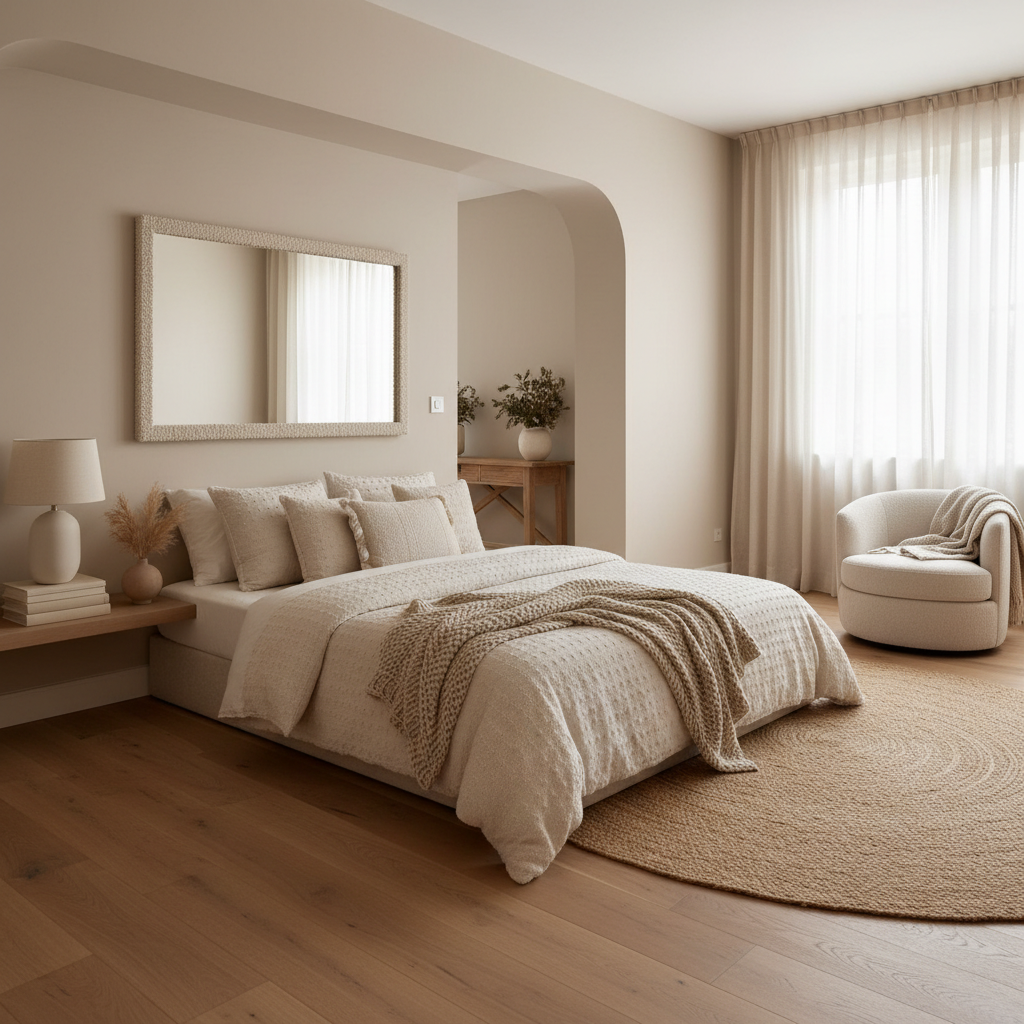
Sophie from House Wow Services noted that demand for nature-inspired colour palettes, warm creams and muted greens had risen sharply, replacing the stark whites that dominated just 2 years earlier.
James from Staged2Sell observed that the best feedback came from flexible, wellness-oriented spaces that adapted to different needs, particularly for people working and living in the same home.
Sophie from Daily Mail Property Staging reported that properties with biophilic design elements were letting and selling 40% faster than those with traditional staging.
Why these preferences align with inclusive design
At Hackit Design, we have been designing for wellbeing, accessibility and sensory comfort for years. The principles that make a home work for a disabled or neurodivergent person are the same principles that the wider market is now asking for.
Warm, dimmable lighting reduces sensory overwhelm and creates the welcoming atmosphere tenants are drawn to.
Natural materials and textures support grounding and calm, which matters for people with anxiety, PTSD and sensory processing differences.
Clear, uncluttered layouts reduce cognitive load for everyone and make a property feel larger and easier to navigate.
Accessible bathrooms and entrances reduce practical barriers that affect millions of people, including those with temporary injuries, parents with pushchairs and older residents.
These are not specialist adaptations. They are good design. And the 2025 data shows they are exactly what the market rewards.
The return on inclusive renovation
Properties designed with inclusion and accessibility in mind are
More attractive to a wider range of tenants
Quicker to let, reducing void periods and lost income
Less likely to require reactive repairs caused by inaccessible or poorly designed features
More likely to retain tenants for longer, reducing turnover costs
Better positioned as housing standards and regulation continue to evolve
Your next step
Hackit Design works with private landlords and housing associations across the UK to improve properties through accessible, inclusive and sensory-aware renovation.
You can contact us to discuss your portfolio and find out how inclusive design can improve your returns and your tenants' lives.
Sources 2025 Profile of Home Staging, National Association of Realtors Research Group
2025 Home Staging Trends, Qualitative Industry Expert Insights
Need personalised support
Book a home assessment and we will recommend the right next steps for your home.
Need personalised support
Enjoyed this article?
Follow Hackit Design for more evidence-based guidance on NeuroInclusive Interior Design, accessible homes and wellbeing.
Share this article on Facebook · on LinkedIn